
Why Making Friends After 30 Feels Hard (And How to Make It Easier)
The Changing Dynamics of Friendship in Adulthood
As we age, the dynamics of friendship undergo a significant transformation. In our younger years, friendships often form organically through school, college, or shared activities. However, after 30, life becomes more structured, and opportunities for spontaneous social interactions diminish. Careers, family responsibilities, and personal commitments take precedence, leaving little time for nurturing new relationships. This shift can make it feel like making friends after 30 is an uphill battle.
Moreover, the criteria for friendship evolve. In our 30s, we tend to seek deeper, more meaningful connections rather than casual acquaintances. This heightened selectivity can make the process of forming new friendships more challenging. We are no longer content with surface-level interactions; we crave relationships that offer emotional support, shared values, and mutual understanding.
Additionally, the fear of rejection becomes more pronounced as we age. The stakes feel higher, and the vulnerability required to initiate new friendships can be daunting. This fear can lead to hesitation and self-doubt, further complicating the process of making new friends.

The Role of Social Circles and Lifestyle Changes
One of the primary reasons making friends after 30 feels hard is the shrinking of social circles. As people settle into their careers and family lives, their social networks often become more insular. Friends from earlier stages of life may move away, start families, or become engrossed in their own responsibilities, leaving less time for socializing.
Lifestyle changes also play a significant role. In our 30s, we may find ourselves in different life stages compared to our peers. Some may be single, while others are married with children. These differences can create barriers to forming new friendships, as our priorities and availability may not align.
Furthermore, the places where we traditionally made friends—such as schools, colleges, and workplaces—may no longer be as conducive to forming new connections. The workplace, for instance, can be a double-edged sword. While it provides opportunities to meet new people, it can also be a source of competition and stress, making it difficult to foster genuine friendships.

The Impact of Technology and Social Media
Technology and social media have revolutionized the way we connect with others, but they have also introduced new challenges. While platforms like Facebook, Instagram, and LinkedIn allow us to stay in touch with a wide network of acquaintances, they can also create a false sense of connection. Online interactions often lack the depth and authenticity of face-to-face relationships, making it harder to form meaningful friendships.
Moreover, the convenience of digital communication can lead to a decline in effort. It's easier to send a quick message or like a post than to invest time in building a real relationship. This can result in a superficial approach to friendship, where quantity is prioritized over quality.
On the flip side, technology also offers opportunities to meet new people through online communities, interest groups, and apps designed for making friends. However, navigating these platforms requires a different set of skills and a willingness to step out of one's comfort zone.

Overcoming the Fear of Rejection
Fear of rejection is a common barrier to making friends after 30. As adults, we may feel more self-conscious about putting ourselves out there, especially if we've experienced past disappointments in friendships. This fear can lead to hesitation and avoidance, making it difficult to take the first step in forming new connections.
To overcome this fear, it's important to reframe rejection as a natural part of the process. Not every attempt to make a friend will be successful, and that's okay. Rejection doesn't reflect your worth or likability; it simply means that the other person may not be the right fit for a friendship at this time.
Building resilience and self-confidence is key. Practice self-compassion and remind yourself that everyone experiences rejection at some point. Focus on the positive aspects of putting yourself out there, such as the potential to meet someone who could become a lifelong friend.

Finding Common Ground: Shared Interests and Hobbies
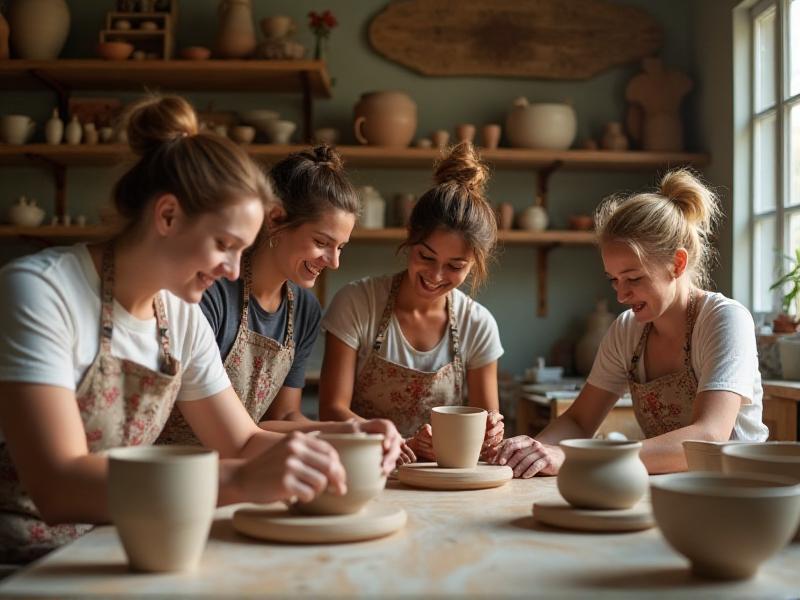
One of the most effective ways to make friends after 30 is to seek out shared interests and hobbies. Engaging in activities you enjoy not only brings you joy but also increases the likelihood of meeting like-minded individuals. Whether it's joining a book club, taking a cooking class, or participating in a sports league, shared activities provide a natural context for forming connections.
When you engage in activities you're passionate about, you're more likely to be yourself, which can lead to more authentic and meaningful friendships. Additionally, regular participation in group activities allows you to build rapport over time, making it easier to transition from acquaintances to friends.
Don't be afraid to try new things and step out of your comfort zone. Exploring new hobbies can open up opportunities to meet people you might not have encountered otherwise. The key is to be open-minded and approach new experiences with a positive attitude.
The Importance of Vulnerability and Authenticity
Vulnerability and authenticity are essential components of forming deep and lasting friendships. As adults, we often put up walls to protect ourselves from potential hurt or disappointment. However, these barriers can also prevent us from forming genuine connections.
Being vulnerable means allowing yourself to be seen for who you truly are, flaws and all. It involves sharing your thoughts, feelings, and experiences openly and honestly. While this can be intimidating, it is also incredibly rewarding. Vulnerability fosters trust and intimacy, which are the foundations of strong friendships.
Authenticity goes hand in hand with vulnerability. It means being true to yourself and not pretending to be someone you're not. When you approach friendships with authenticity, you attract people who appreciate you for who you are, leading to more fulfilling and lasting relationships.

Building and Maintaining Friendships Over Time
Once you've made new friends, the next challenge is maintaining those relationships over time. Life after 30 is often busy and unpredictable, making it easy for friendships to fall by the wayside. However, with intentional effort, it's possible to keep these connections strong.
Regular communication is key. Make an effort to stay in touch, whether through phone calls, text messages, or social media. Schedule regular meetups or activities to ensure that you're spending quality time together. Even small gestures, like sending a thoughtful message or checking in during tough times, can go a long way in maintaining a friendship.
It's also important to be flexible and understanding. Life can get hectic, and there may be times when you or your friends are unable to meet as often as you'd like. Being patient and supportive during these periods can help sustain the friendship through challenging times.

Conclusion: Embracing the Journey of Friendship After 30
Making friends after 30 may feel challenging, but it's far from impossible. By understanding the changing dynamics of friendship, embracing vulnerability, and seeking out shared interests, you can create meaningful connections that enrich your life. Remember that friendship is a journey, and it's okay to take it one step at a time. With patience, effort, and an open heart, you can build a supportive and fulfilling social network that lasts a lifetime.