Why It’s Harder to Make Friends After 30 (And How to Fix It)
The Changing Dynamics of Friendship in Adulthood
As we age, the way we form and maintain friendships undergoes a significant transformation. In our younger years, friendships often emerge organically through shared experiences like school, college, or early career environments. These settings provide a natural breeding ground for connections, as we are constantly surrounded by peers who are in similar life stages. However, once we hit our 30s, these opportunities begin to dwindle. Careers become more demanding, family responsibilities increase, and the social circles we once relied on start to shrink.
One of the primary reasons it becomes harder to make friends after 30 is the lack of built-in social structures. Unlike school or college, where you are thrust into a community of like-minded individuals, adulthood often requires a more intentional effort to meet new people. This shift can feel daunting, especially if you’ve grown accustomed to the ease of forming friendships in your youth.

The Role of Time and Priorities
Time is a precious commodity in adulthood, and it’s one of the biggest barriers to forming new friendships. In your 30s, your schedule is likely packed with work commitments, family obligations, and personal responsibilities. Finding the time to nurture new relationships can feel like an insurmountable challenge. Unlike in your 20s, when you might have had the flexibility to spend hours chatting with friends or going out on a whim, adulthood often requires a more structured approach to socializing.
Moreover, priorities shift as we age. In your 30s, you might be more focused on career advancement, raising children, or maintaining a healthy work-life balance. These priorities can make it difficult to invest the time and energy needed to build meaningful friendships. It’s not that you don’t value friendships; it’s just that other aspects of life often take precedence.

The Fear of Vulnerability
Another factor that makes it harder to make friends after 30 is the fear of vulnerability. As we grow older, we become more aware of our own insecurities and the potential for rejection. This can make us hesitant to put ourselves out there and form new connections. Unlike in our younger years, when we might have been more carefree and open to new experiences, adulthood often brings with it a sense of caution.
This fear of vulnerability can manifest in various ways. You might find yourself second-guessing whether someone is genuinely interested in being your friend or if they’re just being polite. You might worry about being judged or not fitting in. These fears can create a barrier to forming new friendships, as they prevent you from taking the necessary steps to connect with others.

The Impact of Technology and Social Media
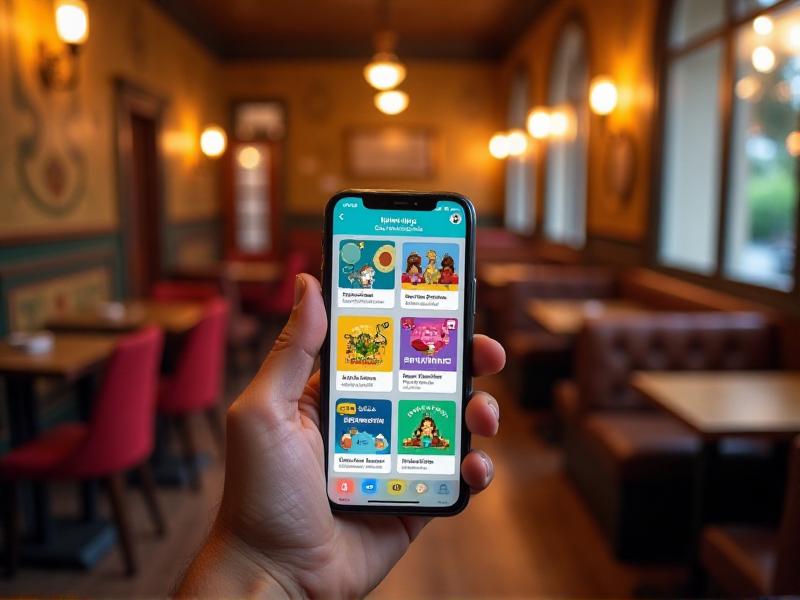
While technology and social media have made it easier to stay connected with existing friends, they can also hinder the formation of new friendships. Platforms like Facebook, Instagram, and Twitter often give the illusion of connection without the depth of real, meaningful relationships. It’s easy to scroll through your feed and feel like you’re staying in touch with people, but these interactions lack the substance needed to build a genuine friendship.
Moreover, the rise of online communication has made it harder to engage in face-to-face interactions. Many people in their 30s find themselves relying on text messages or social media to communicate, which can make it difficult to establish a deeper connection. While technology can be a useful tool for maintaining relationships, it’s no substitute for the kind of in-person interactions that are essential for forming new friendships.

How to Overcome the Challenges of Making Friends After 30
Despite the challenges, it’s entirely possible to make new friends in your 30s. The key is to be intentional and proactive in your efforts. Start by identifying activities or hobbies that interest you and seek out groups or events where you can meet like-minded individuals. Whether it’s joining a book club, taking a cooking class, or participating in a local sports league, these activities provide a natural setting for forming new connections.
Another important step is to prioritize quality over quantity. In your 30s, you’re likely looking for deeper, more meaningful friendships rather than a large social circle. Focus on building a few strong connections rather than trying to meet as many people as possible. This approach not only makes it easier to manage your time but also increases the likelihood of forming lasting friendships.

Embracing Vulnerability and Taking the First Step
One of the most important aspects of making friends after 30 is embracing vulnerability. It’s natural to feel hesitant or unsure when putting yourself out there, but it’s essential to push past these fears. Remember that everyone is in the same boat, and many people are looking for new connections just like you. Taking the first step, whether it’s initiating a conversation or inviting someone to hang out, can be the catalyst for a new friendship.
It’s also important to be patient and give yourself time. Forming a new friendship takes effort and consistency, so don’t be discouraged if it doesn’t happen overnight. Keep showing up, engaging with others, and being open to new experiences. Over time, these efforts will pay off, and you’ll find yourself surrounded by a supportive network of friends.

Leveraging Existing Networks and Mutual Connections
Another effective strategy for making friends after 30 is leveraging your existing networks and mutual connections. Reach out to old friends or acquaintances and let them know you’re looking to expand your social circle. They might be able to introduce you to new people or invite you to social events where you can meet others.
Additionally, consider reconnecting with people from your past. Whether it’s a former colleague, a childhood friend, or someone you met at a previous job, these connections can serve as a foundation for new friendships. Even if you haven’t spoken in years, reaching out can reignite a connection and lead to new opportunities for socializing.

Building Friendships Through Shared Experiences
Shared experiences are one of the most powerful ways to build friendships, especially in your 30s. Whether it’s traveling together, working on a project, or participating in a challenging activity, these experiences create a bond that goes beyond surface-level interactions. Look for opportunities to engage in activities that require collaboration or teamwork, as these settings naturally foster deeper connections.
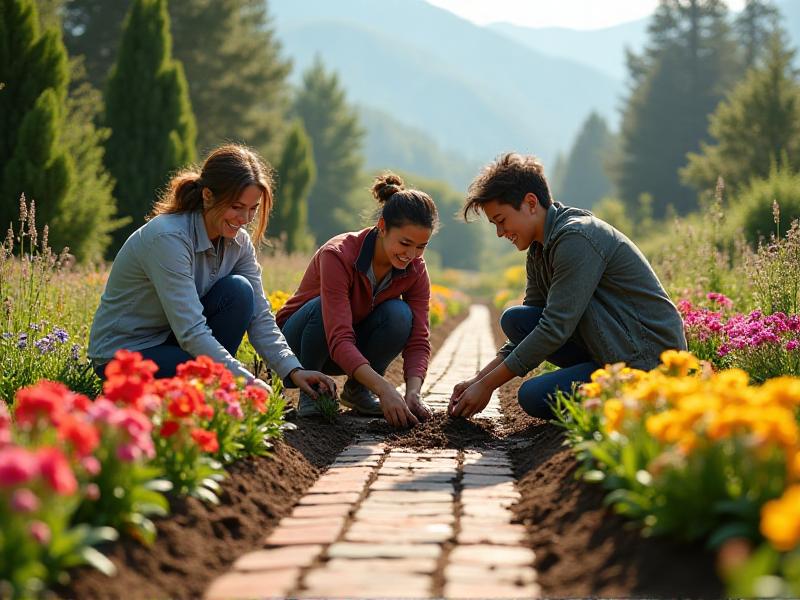
Volunteering is another excellent way to meet new people while making a positive impact. Whether it’s helping out at a local charity, participating in a community clean-up, or mentoring someone, these activities provide a sense of purpose and allow you to connect with others who share your values. The shared sense of accomplishment and fulfillment can serve as a strong foundation for a lasting friendship.
Maintaining and Nurturing New Friendships
Once you’ve made new friends, it’s important to maintain and nurture those relationships. This requires ongoing effort and communication, especially as life gets busier. Make an effort to stay in touch, whether it’s through regular text messages, phone calls, or in-person meetups. Even small gestures, like sending a thoughtful message or remembering important dates, can go a long way in strengthening a friendship.
It’s also important to be flexible and understanding. Life in your 30s can be unpredictable, and there will be times when you or your friends are unable to meet up or stay in touch as much as you’d like. Being patient and supportive during these times can help maintain the friendship and ensure it continues to thrive.

Final Thoughts on Making Friends After 30
Making friends after 30 may come with its challenges, but it’s far from impossible. By being intentional, embracing vulnerability, and leveraging your existing networks, you can build meaningful connections that enrich your life. Remember that friendships, like any relationship, require effort and commitment. But with the right approach, you can create a supportive and fulfilling social circle that lasts a lifetime.