The Ultimate Guide to Making Friends as an Adult
As children, making friends often feels effortless. You meet someone on the playground, share a toy, and suddenly you're best friends. But as adults, the process becomes more complicated. Life gets busier, priorities shift, and the opportunities to meet new people dwindle. Many adults find themselves in a rut, wondering why it’s so hard to form meaningful connections later in life.
One reason is the lack of structured environments where adults can naturally meet others. Unlike school or college, where you’re surrounded by peers with similar interests, adult life often revolves around work, family, and personal responsibilities. This can make it difficult to find time or opportunities to socialize. Additionally, adults tend to be more guarded, having experienced life’s ups and downs, which can make them hesitant to open up to new people.
Another factor is the fear of rejection. As adults, we’re more aware of social dynamics and the potential for awkwardness. This can lead to overthinking and self-doubt, making it harder to take the first step in forming a new friendship. Understanding these challenges is the first step toward overcoming them and building a fulfilling social life as an adult.

Identifying Your Social Goals and Interests
Before diving into the world of adult friendships, it’s important to take a step back and reflect on what you’re looking for. Are you seeking deep, meaningful connections, or are you more interested in casual acquaintances to share hobbies with? Understanding your social goals will help you focus your efforts and find like-minded individuals.
Start by identifying your interests and passions. What activities bring you joy? Whether it’s hiking, painting, cooking, or playing sports, these interests can serve as a foundation for meeting new people. Joining clubs, classes, or online communities centered around your hobbies can provide a natural way to connect with others who share your enthusiasm.
It’s also helpful to consider the type of people you want to surround yourself with. Do you value intellectual conversations, or do you prefer a more laid-back, fun-loving crowd? Being clear about your preferences will make it easier to seek out environments and groups where you’re likely to meet compatible friends.

Stepping Out of Your Comfort Zone
Making friends as an adult often requires stepping out of your comfort zone. This might mean attending social events alone, striking up conversations with strangers, or trying new activities. While it can feel intimidating, pushing yourself to take these steps is crucial for expanding your social circle.
One effective strategy is to start small. If the idea of attending a large networking event feels overwhelming, consider joining a smaller, more intimate gathering. Book clubs, hobby groups, or volunteer organizations are great places to start. These settings often provide a more relaxed atmosphere where it’s easier to connect with others on a personal level.
Another way to step out of your comfort zone is to embrace vulnerability. Sharing a bit about yourself, even if it feels uncomfortable, can help break the ice and encourage others to open up as well. Remember, everyone is in the same boat, and most people appreciate genuine efforts to connect.

Leveraging Technology to Meet New People
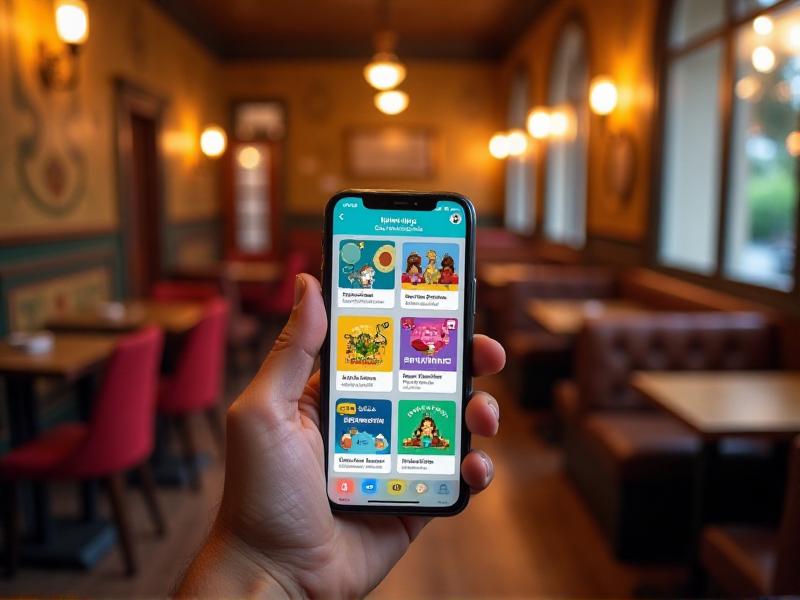
In today’s digital age, technology offers a wealth of opportunities to meet new people. Social media platforms, friendship apps, and online communities can be powerful tools for connecting with others who share your interests. Platforms like Meetup, Bumble BFF, and Facebook Groups allow you to find local events and groups tailored to your hobbies and preferences.
When using technology to make friends, it’s important to be proactive. Don’t just lurk in online groups—participate in discussions, attend virtual events, and reach out to people who seem interesting. Building an online presence can also help you establish credibility and make it easier for others to approach you.
However, it’s equally important to balance online interactions with real-life connections. While technology can be a great starting point, face-to-face interactions are essential for deepening friendships. Use online platforms as a stepping stone to in-person meetups and activities.

Building and Maintaining Friendships Over Time
Once you’ve made new friends, the next challenge is maintaining those relationships. Adult friendships require effort and intentionality, especially when life gets busy. Regular communication, whether through text, phone calls, or in-person meetups, is key to keeping the connection alive.
It’s also important to be a good listener and show genuine interest in your friends’ lives. Ask about their day, celebrate their successes, and offer support during tough times. Small gestures, like sending a thoughtful message or remembering important dates, can go a long way in strengthening your bond.
Finally, don’t be afraid to initiate plans. Whether it’s a coffee date, a weekend hike, or a movie night, taking the initiative shows that you value the friendship and are willing to invest time and energy into it. Over time, these efforts will help you build a strong, lasting network of friends.

Navigating Common Friendship Challenges
Even the strongest friendships can face challenges, especially as adults. Busy schedules, differing priorities, and life changes can all put a strain on relationships. It’s important to recognize these challenges and address them proactively to prevent misunderstandings and resentment.
One common issue is mismatched expectations. For example, one friend might want to meet up weekly, while the other is content with monthly catch-ups. Open communication is key to resolving these differences. Be honest about your needs and listen to your friend’s perspective to find a balance that works for both of you.
Another challenge is dealing with conflict. Disagreements are a natural part of any relationship, but how you handle them can make or break a friendship. Approach conflicts with empathy and a willingness to compromise. Remember, the goal is to strengthen the friendship, not to win an argument.

The Role of Self-Confidence in Making Friends
Self-confidence plays a crucial role in making friends as an adult. When you feel good about yourself, it’s easier to approach new people, engage in conversations, and form connections. On the other hand, low self-esteem can hold you back and make social interactions feel daunting.
Building self-confidence starts with self-awareness. Take time to reflect on your strengths, accomplishments, and the qualities that make you unique. Surround yourself with positive influences and practice self-care to boost your overall well-being.
It’s also helpful to adopt a growth mindset. Instead of fearing rejection, view each social interaction as an opportunity to learn and grow. Over time, these experiences will build your confidence and make it easier to form meaningful friendships.

Creating a Balanced Social Life
As you work on making new friends, it’s important to create a balanced social life that aligns with your overall well-being. This means finding a healthy mix of social activities, personal time, and other commitments. Overextending yourself can lead to burnout, while isolating yourself can hinder your ability to form connections.
Start by setting boundaries and prioritizing your time. It’s okay to say no to social invitations if you need time to recharge. At the same time, make an effort to schedule regular social activities that bring you joy and fulfillment.
Remember, quality is more important than quantity when it comes to friendships. Focus on building a few strong, meaningful relationships rather than trying to maintain a large network of acquaintances. A balanced social life will not only enhance your happiness but also make it easier to sustain your friendships over the long term.

Celebrating the Joy of Adult Friendships
While making friends as an adult can be challenging, the rewards are well worth the effort. Adult friendships bring joy, support, and a sense of belonging that enriches our lives in countless ways. Whether it’s sharing a laugh over coffee, exploring new hobbies together, or offering a shoulder to lean on, these connections remind us of the beauty of human relationships.
Take a moment to appreciate the friends you have and the new ones you’re building. Celebrate the small victories, like a successful conversation or a fun outing, and recognize the progress you’re making. With time, patience, and a little courage, you’ll find that making friends as an adult is not only possible but also deeply fulfilling.