
Making Friends After 30: Why It’s Different and How to Succeed
Why Making Friends After 30 Feels Harder
As we age, the dynamics of forming new friendships change significantly. In our 20s, friendships often form organically through school, work, or shared social activities. However, after 30, life tends to become more structured. Careers, family responsibilities, and personal commitments take precedence, leaving less time for spontaneous social interactions. This shift can make it feel like making new friends is an uphill battle.
Additionally, people in their 30s often have established social circles, making it harder to break into new groups. The fear of rejection or the awkwardness of initiating conversations can also be more pronounced at this age. Understanding these challenges is the first step toward overcoming them.
The Role of Shared Interests in Building Friendships
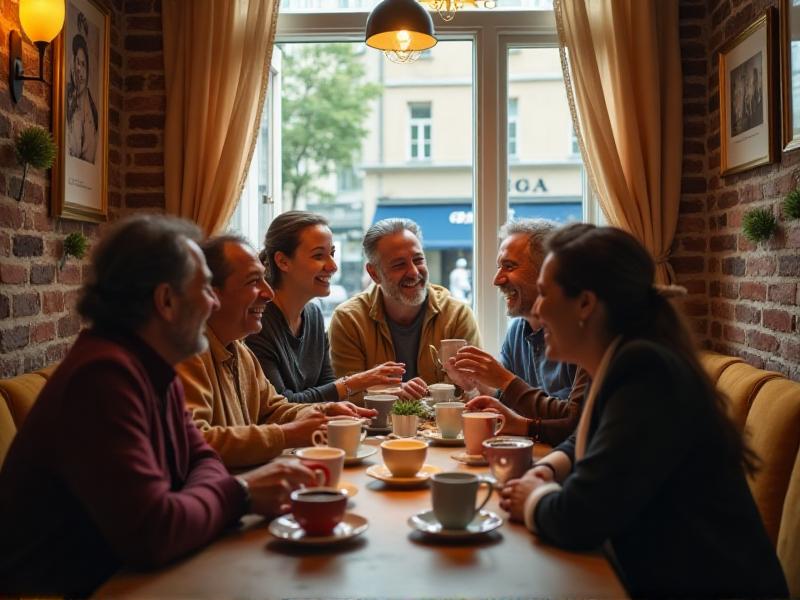
One of the most effective ways to make friends after 30 is through shared interests. Whether it’s a hobby, a sport, or a passion project, engaging in activities you love can naturally lead to meaningful connections. Joining clubs, attending workshops, or participating in community events can provide opportunities to meet like-minded individuals.
Shared interests create a common ground, making it easier to start conversations and build rapport. They also provide a sense of continuity, as you’re likely to see the same people regularly, allowing friendships to develop over time. The key is to be open and approachable, showing genuine interest in others.

Navigating the Digital Landscape: Online Friendships
In today’s digital age, online platforms offer a unique avenue for making friends after 30. Social media groups, forums, and apps designed for meeting new people can be incredibly useful. These platforms allow you to connect with individuals who share your interests, values, or life experiences, even if they’re not in your immediate geographic area.
However, it’s important to approach online friendships with caution. Building trust takes time, and it’s essential to maintain boundaries and ensure your safety. Virtual friendships can be just as meaningful as in-person ones, but they require effort and intentionality to nurture.

The Importance of Vulnerability in Adult Friendships
One of the most significant differences in making friends after 30 is the need for vulnerability. As adults, we often have more life experiences, both positive and negative, that shape who we are. Sharing these experiences can deepen connections, but it requires a level of openness that can be intimidating.
Being vulnerable means being willing to share your true self, including your fears, hopes, and struggles. It’s about creating a safe space where both parties feel comfortable being authentic. This level of emotional intimacy can lead to stronger, more fulfilling friendships.

Balancing Friendships with Other Life Responsibilities
After 30, life often becomes a juggling act of career, family, and personal goals. Balancing these responsibilities while trying to make new friends can be challenging. It’s essential to prioritize and manage your time effectively, ensuring that you’re not neglecting your social life.
Setting aside specific times for social activities, even if it’s just a coffee date or a quick catch-up call, can help maintain a healthy balance. Remember, quality matters more than quantity. A few meaningful friendships can be more rewarding than a large network of acquaintances.

Overcoming the Fear of Rejection
The fear of rejection is a common barrier to making friends after 30. As adults, we may worry about being judged or not fitting in. However, it’s important to remember that everyone feels this way to some extent. Taking the first step, whether it’s initiating a conversation or inviting someone to an event, can be daunting but is often worth the risk.
Building resilience and adopting a positive mindset can help overcome this fear. Understand that rejection is not a reflection of your worth but rather a part of the process. Each attempt, whether successful or not, brings you closer to finding the right connections.

Maintaining Friendships: The Long-Term Commitment
Making friends after 30 is only the first step; maintaining those friendships requires ongoing effort. Life’s demands can make it easy to drift apart, but regular communication and shared experiences can keep the bond strong. Whether it’s a monthly dinner, a weekend getaway, or simply checking in via text, small gestures can make a big difference.
It’s also important to be understanding and flexible. Everyone has their own challenges and priorities, and being supportive during tough times can strengthen the friendship. Remember, the best friendships are those that evolve and grow over time.

Conclusion: Embracing the Journey of Friendship After 30
Making friends after 30 may come with its own set of challenges, but it’s also an opportunity for growth and deeper connections. By understanding the unique dynamics of adult friendships, embracing vulnerability, and putting in the effort, you can build a fulfilling social life at any age. Remember, it’s never too late to make new friends and enrich your life with meaningful relationships.