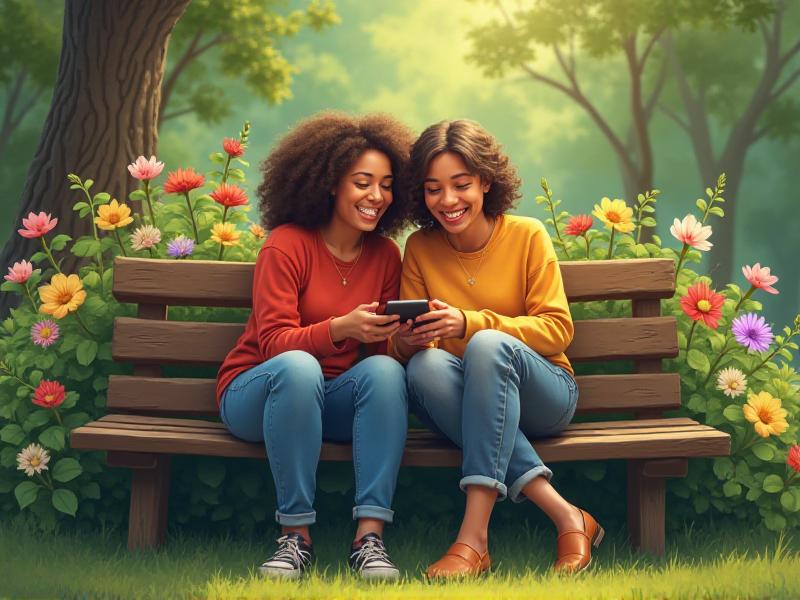
How to Use Social Media to Make Friends After 30
1. Embracing Social Media as a Tool for Connection
As we age, making new friends can feel like a daunting task. The days of spontaneous playground friendships or college dorm bonding are behind us, but that doesn’t mean forming meaningful connections is impossible. Social media, often dismissed as a superficial space, can actually be a powerful tool for building friendships after 30. Platforms like Facebook, Instagram, LinkedIn, and even niche communities like Meetup or Bumble BFF offer opportunities to connect with like-minded individuals. The key is to approach these platforms with intention and authenticity.
Start by identifying your interests and values. Are you passionate about hiking, cooking, or photography? Do you value deep conversations or shared experiences? Once you know what you’re looking for, you can tailor your social media presence to reflect those interests. Update your profiles to highlight your hobbies, goals, and personality. This will help you attract people who share similar passions and values.

2. Choosing the Right Platforms for Your Goals
Not all social media platforms are created equal when it comes to making friends. While Instagram might be great for sharing visual content, it may not be the best place for deep conversations. On the other hand, Facebook groups or Reddit communities can provide a space for meaningful discussions and shared interests. LinkedIn, often seen as a professional network, can also be a surprising source of friendships, especially if you’re looking to connect with people in your industry or field.
Consider your goals when choosing a platform. If you’re looking for local friends, apps like Meetup or Nextdoor can help you find events and groups in your area. If you’re more interested in global connections, platforms like Twitter or Discord might be a better fit. Don’t be afraid to experiment with different platforms to see where you feel most comfortable and where you find the most engaging conversations.
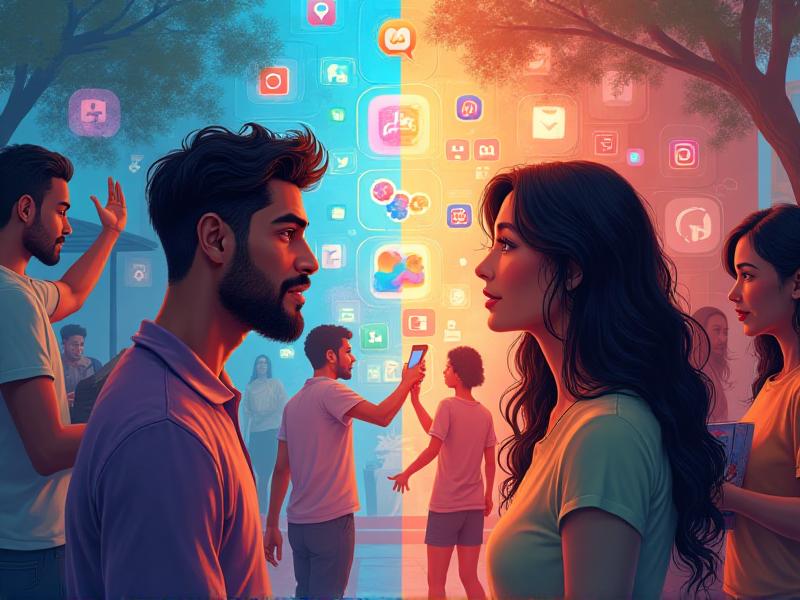
3. Building an Authentic Online Presence
One of the biggest challenges of making friends on social media is presenting yourself authentically. It’s easy to fall into the trap of curating a perfect image, but this can make it harder to form genuine connections. Instead, focus on being real and relatable. Share your successes, but also your struggles. Post about your hobbies, but also your quirks. The more authentic you are, the more likely you are to attract people who appreciate you for who you truly are.
Engage with others in a meaningful way. Instead of just liking posts, leave thoughtful comments or send direct messages to people whose content resonates with you. Ask questions, share your own experiences, and show genuine interest in others. Over time, these small interactions can grow into deeper friendships.

4. Joining and Participating in Online Communities
Online communities are one of the best ways to meet people who share your interests. Whether it’s a Facebook group for book lovers, a subreddit for gardening enthusiasts, or a Discord server for gamers, these spaces provide a sense of belonging and a chance to connect with others on a deeper level. The key is to actively participate rather than just lurking. Share your thoughts, ask questions, and contribute to discussions.
Look for communities that align with your values and interests. If you’re passionate about sustainability, join groups focused on eco-friendly living. If you’re a parent, find communities for other parents in your area. The more specific the group, the more likely you are to find people who share your passions and experiences.

5. Navigating the Challenges of Online Friendships
While social media can be a great way to make friends, it’s not without its challenges. Online interactions can sometimes feel superficial, and it can be hard to gauge someone’s true personality through a screen. To overcome these challenges, focus on building trust and rapport over time. Share personal stories, ask meaningful questions, and be patient as the friendship develops.
It’s also important to set boundaries and protect your mental health. Not every interaction will lead to a lasting friendship, and that’s okay. Be selective about who you invest your time and energy in, and don’t be afraid to step back if a relationship feels one-sided or draining.

6. Taking Online Friendships Offline
While online friendships can be fulfilling, there’s something special about meeting in person. Once you’ve built a connection with someone online, consider taking the next step and meeting up in real life. This could be as simple as grabbing coffee, attending a local event together, or even planning a weekend getaway.
When meeting someone for the first time, choose a public place and let a friend or family member know where you’ll be. Trust your instincts, and don’t feel pressured to continue the friendship if it doesn’t feel right. Remember, the goal is to build meaningful connections, not to force relationships that aren’t a good fit.

7. Maintaining and Nurturing New Friendships
Making friends is just the first step—maintaining those friendships requires effort and intentionality. Stay in touch by sending messages, sharing interesting articles, or planning regular meetups. Celebrate each other’s successes and offer support during tough times. The more you invest in the relationship, the stronger it will become.
Remember that friendships, like any relationship, take time to grow. Be patient, and don’t be discouraged if things don’t feel perfect right away. With time and effort, your social media connections can blossom into meaningful, lifelong friendships.