How to Make Friends Through Volunteering in Your 30s
Why Volunteering is a Great Way to Build Friendships in Your 30s
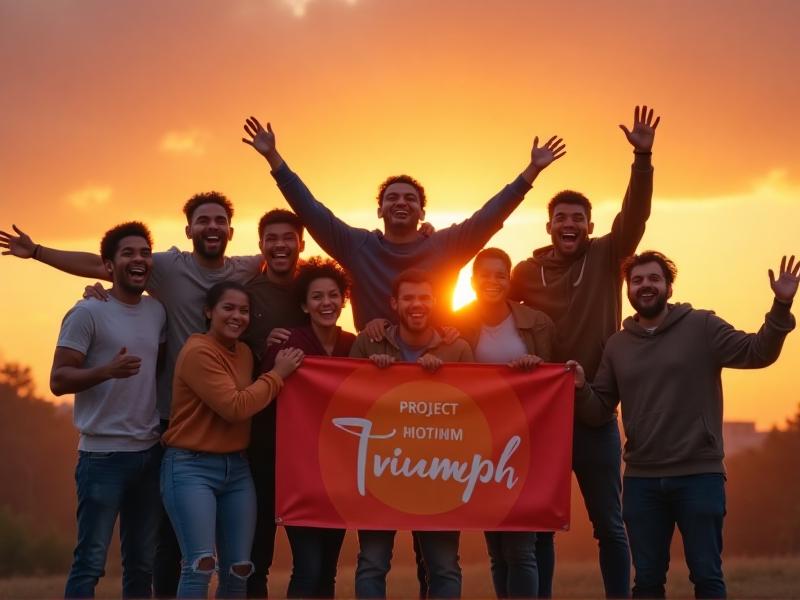
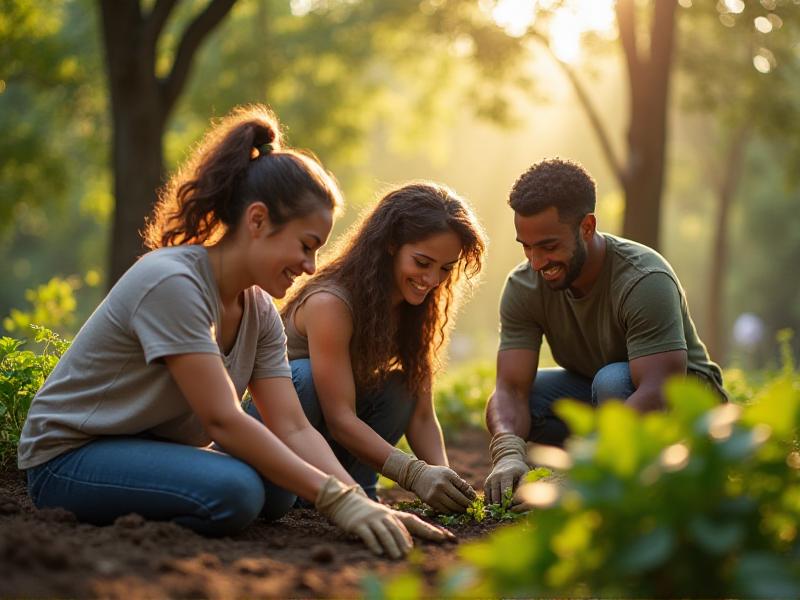
Making friends in your 30s can feel like a daunting task. Unlike your school or college years, where social interactions were abundant and often effortless, adulthood brings with it a more structured and isolated lifestyle. Volunteering, however, offers a unique opportunity to connect with like-minded individuals who share your values and passions. Whether you're helping out at a local food bank, mentoring young people, or participating in environmental clean-ups, volunteering provides a natural setting for meaningful interactions. It allows you to bond over shared goals and experiences, making it easier to form genuine connections.
Choosing the Right Volunteer Opportunity for You
Not all volunteer opportunities are created equal, especially when it comes to making friends. To maximize your chances of forming lasting connections, it's important to choose a role that aligns with your interests and personality. For instance, if you're an animal lover, volunteering at a shelter might be a great fit. If you're passionate about education, tutoring or mentoring programs could be more your speed. Consider the type of environment you thrive in—do you prefer working in small, intimate groups or larger, more dynamic settings? By selecting a volunteer opportunity that resonates with you, you're more likely to meet people who share your values and interests, making it easier to strike up conversations and build friendships.

Breaking the Ice: Tips for Starting Conversations
Starting a conversation with someone new can be intimidating, but volunteering provides a built-in icebreaker: the shared experience of giving back. Begin by asking open-ended questions about why they chose to volunteer or what they enjoy most about the activity. Compliment their efforts or share a light-hearted observation about the task at hand. Remember, most people are in the same boat as you—looking to connect and make a difference. By showing genuine interest in others and being open about your own experiences, you'll find that conversations flow more naturally, paving the way for deeper connections.
Building Trust and Deepening Connections
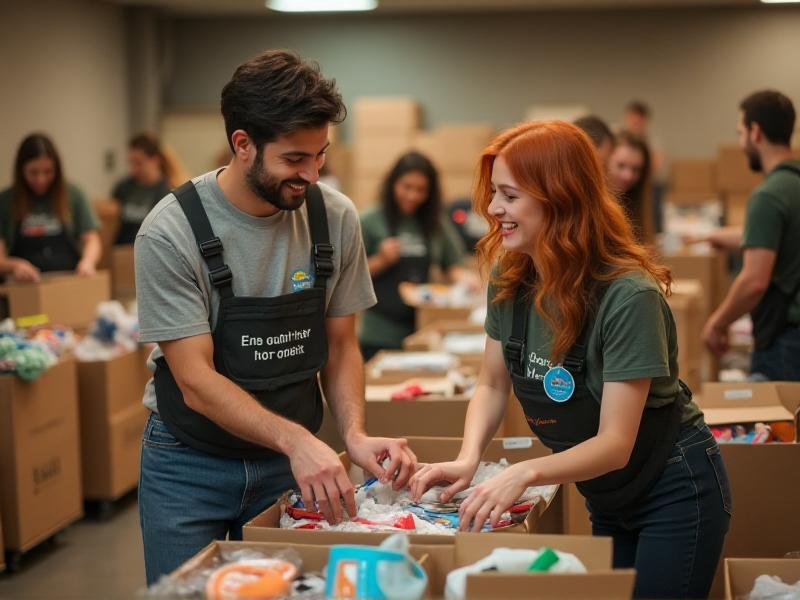
Friendships are built on trust, and volunteering offers ample opportunities to demonstrate reliability and kindness. Show up consistently, be proactive in your role, and offer to help others when you can. Over time, these small acts of generosity and dependability will help you build a reputation as someone others can count on. As you work alongside the same group of people, you'll naturally start to learn more about their lives, interests, and values. Share your own stories and experiences, and don't be afraid to suggest meeting up outside of volunteering activities, like grabbing coffee or attending a local event together.

Navigating Challenges and Staying Committed
While volunteering can be incredibly rewarding, it's not without its challenges. You might encounter difficult tasks, conflicting personalities, or moments of self-doubt. However, these challenges can also serve as opportunities to strengthen your friendships. Working through tough situations together fosters a sense of camaraderie and mutual respect. If you find yourself struggling, don't hesitate to lean on your fellow volunteers for support. Remember, the goal is not just to make friends but to contribute to a cause you care about. Staying committed to your volunteer work will not only help you build lasting friendships but also give you a sense of purpose and fulfillment.
Expanding Your Social Circle Beyond Volunteering
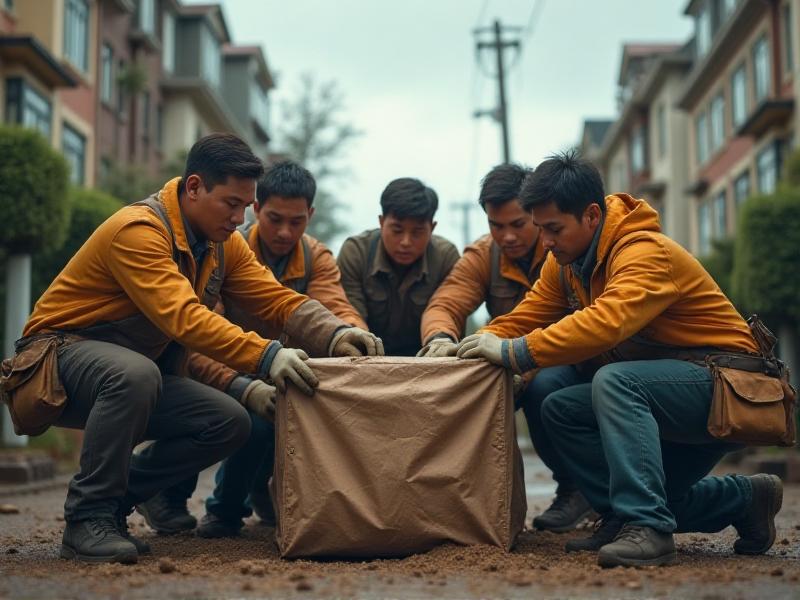
Once you've established a few friendships through volunteering, consider expanding your social circle by introducing your new friends to other aspects of your life. Invite them to join you for hobbies, fitness classes, or social events. This not only strengthens your bond but also helps you integrate your volunteer friendships into your broader social network. Additionally, many volunteer organizations host social gatherings or networking events, providing further opportunities to connect with others. By taking the initiative to nurture these relationships, you'll create a supportive and diverse community that enriches your life in countless ways.

The Long-Term Benefits of Volunteering and Friendship
Volunteering in your 30s offers more than just the chance to make friends—it can also have a profound impact on your overall well-being. Studies have shown that volunteering reduces stress, boosts self-esteem, and provides a sense of purpose. When combined with the social benefits of forming meaningful friendships, the impact is even greater. These relationships can provide emotional support, broaden your perspective, and even open doors to new opportunities. As you continue to volunteer and nurture these connections, you'll find that the bonds you form are not only fulfilling but also enduring, enriching your life for years to come.