How to Make Friends Through Fitness and Sports After 30
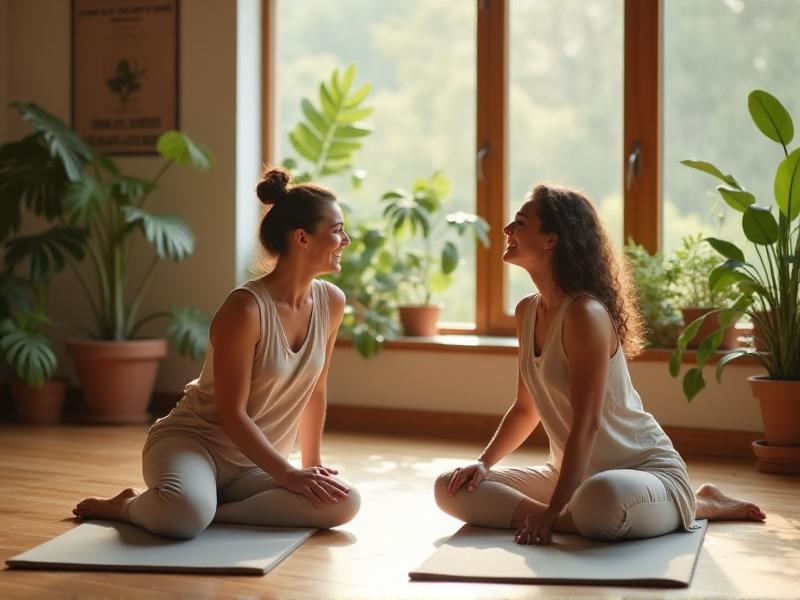
As we age, making new friends can feel like a daunting task. The routines of adulthood—work, family, and other responsibilities—often leave little room for socializing. However, fitness and sports offer a unique opportunity to connect with others while improving your health. Whether it’s joining a local running club, attending a yoga class, or playing in a recreational soccer league, these activities naturally foster camaraderie. Shared goals, mutual encouragement, and the joy of physical activity create a strong foundation for lasting friendships.
Finding the Right Fitness Community for You
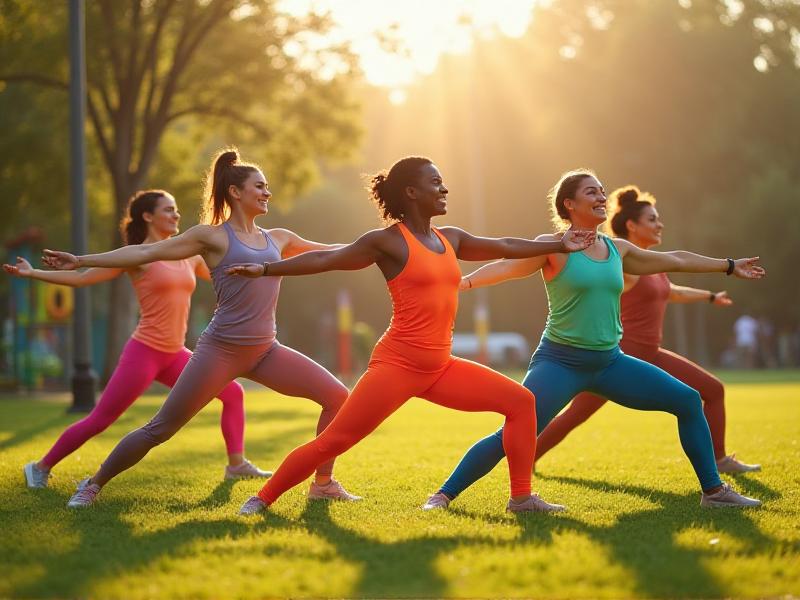
Not all fitness communities are created equal, and finding the right one is key to building meaningful connections. Start by identifying activities you genuinely enjoy. Do you prefer the solitude of running, the structure of a gym, or the teamwork of group sports? Once you’ve narrowed down your interests, research local clubs, classes, or leagues. Many communities have Facebook groups or Meetup pages where you can connect with like-minded individuals. Don’t be afraid to try a few options before settling on the one that feels like the best fit.
Breaking the Ice: Tips for Starting Conversations
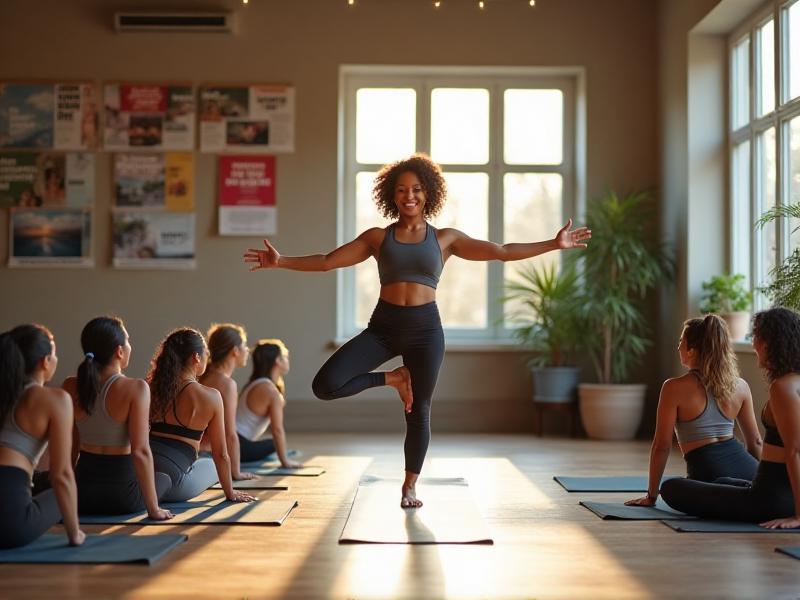
Walking into a new fitness group can feel intimidating, but remember, everyone is there for the same reason—to stay active and have fun. Start with simple greetings or compliments, like praising someone’s form or asking for advice on a technique. Shared experiences, such as struggling through a tough workout or celebrating a personal best, can quickly turn strangers into friends. Be consistent in attending sessions, as familiarity breeds comfort and trust over time.
The Role of Team Sports in Building Friendships
Team sports are particularly effective for forging friendships because they require communication, trust, and collaboration. Whether it’s basketball, volleyball, or soccer, being part of a team creates a sense of belonging. Post-game gatherings, team dinners, or even group chats to discuss strategies further strengthen these bonds. The shared highs of victory and the collective resilience in defeat make team sports a powerful way to connect with others.

Overcoming Social Anxiety in Fitness Settings
For many, the idea of joining a new group or trying a new activity can trigger social anxiety. Start small by attending beginner-friendly classes or events where the focus is on learning rather than competition. Remind yourself that everyone is there to improve, not to judge. If you’re particularly nervous, consider bringing a friend along for moral support. Over time, as you become more comfortable, you’ll find it easier to open up and connect with others.
Leveraging Technology to Connect with Fitness Enthusiasts
In today’s digital age, technology can be a valuable tool for finding and connecting with fitness communities. Apps like Strava, Meetup, and even Instagram allow you to discover local events, join virtual challenges, and connect with others who share your interests. Many fitness influencers and trainers also host online communities where members can share tips, celebrate milestones, and support one another. Don’t underestimate the power of a simple comment or direct message to start a conversation.

Maintaining Friendships Beyond the Gym or Field
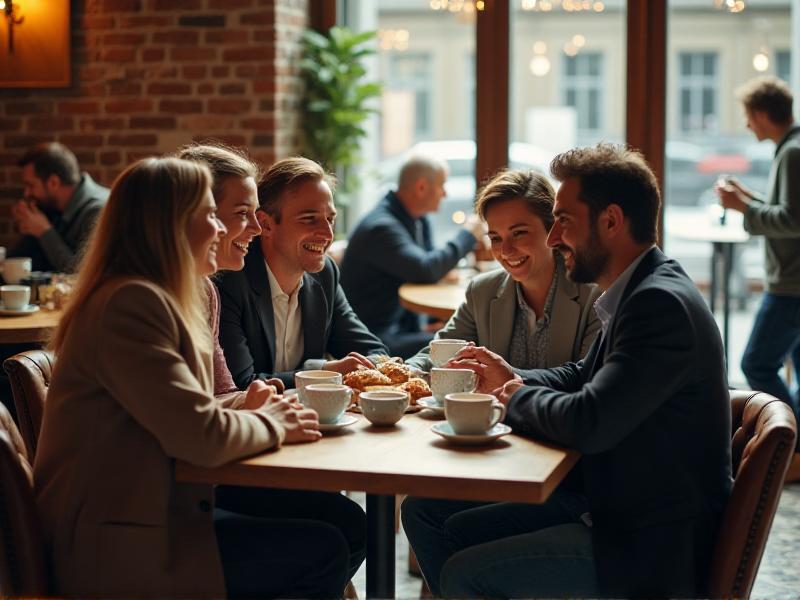
While fitness and sports provide a great starting point, maintaining friendships requires effort outside of these activities. Invite your new friends to coffee, a movie, or a casual dinner. Organize group hikes, bike rides, or other outdoor adventures to keep the connection alive. Remember, the goal is to build a well-rounded relationship that extends beyond the gym or playing field.
The Long-Term Benefits of Fitness Friendships
Friendships formed through fitness and sports often have a unique depth because they are built on shared values and experiences. These relationships can provide emotional support, accountability, and motivation to stay active. Over time, they can become a cornerstone of your social life, offering a sense of community and belonging that enriches your overall well-being.