
How to Make Friends After 30 When You’re Retired
How to Make Friends After 30 When You’re Retired
1. Embrace a New Social Mindset
Retirement is a significant life transition, and making friends after 30 during this phase requires a shift in mindset. Many people find themselves out of their usual social circles, whether it’s work colleagues or school friends. The key is to embrace the idea that forming new connections is not only possible but also rewarding. Start by acknowledging that friendships at this stage of life may look different—they might be more intentional, slower to develop, and based on shared interests rather than convenience.
One way to cultivate this mindset is to let go of any preconceived notions about age or social norms. Friendships after 30 can be just as meaningful, if not more so, than those formed earlier in life. Focus on being open to new experiences and people, and remind yourself that everyone is navigating similar challenges. Whether you’re new to retirement or have been retired for a while, adopting a positive and proactive attitude is the first step toward building lasting friendships.

2. Reconnect with Old Friends
One of the easiest ways to start building a social network after 30 is to reconnect with old friends. Retirement often provides the time and space to reach out to people you may have lost touch with over the years. Whether it’s a former colleague, a childhood friend, or someone you met during a significant life event, rekindling these relationships can be incredibly fulfilling.
Start by sending a casual message or email to catch up. Social media platforms like Facebook or LinkedIn can be great tools for finding and reconnecting with people from your past. When reaching out, keep the tone light and friendly—mention a shared memory or express genuine interest in how they’ve been. If the conversation goes well, suggest meeting up for coffee or a walk. Reconnecting with old friends not only helps you rebuild your social circle but also provides a sense of continuity and shared history that can be comforting during this new phase of life.
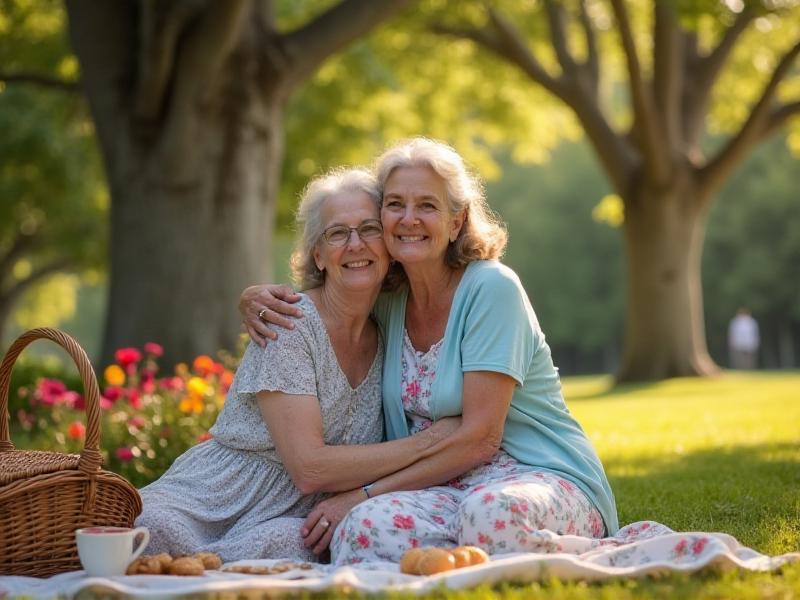
3. Join Local Clubs and Groups
Retirement is the perfect time to explore new hobbies and interests, and joining local clubs or groups is an excellent way to meet like-minded people. Whether you’re passionate about gardening, photography, book clubs, or fitness, there’s likely a group in your community that shares your interests. These settings provide a natural environment for forming friendships because they revolve around shared activities and common goals.
Start by researching local organizations or checking community boards at libraries, community centers, or online platforms like Meetup. Don’t be afraid to step out of your comfort zone and try something new—joining a group focused on an unfamiliar activity can be a great way to challenge yourself and meet people you might not otherwise encounter. Remember, the goal is to have fun and connect with others, so focus on enjoying the experience rather than putting pressure on yourself to make friends immediately.
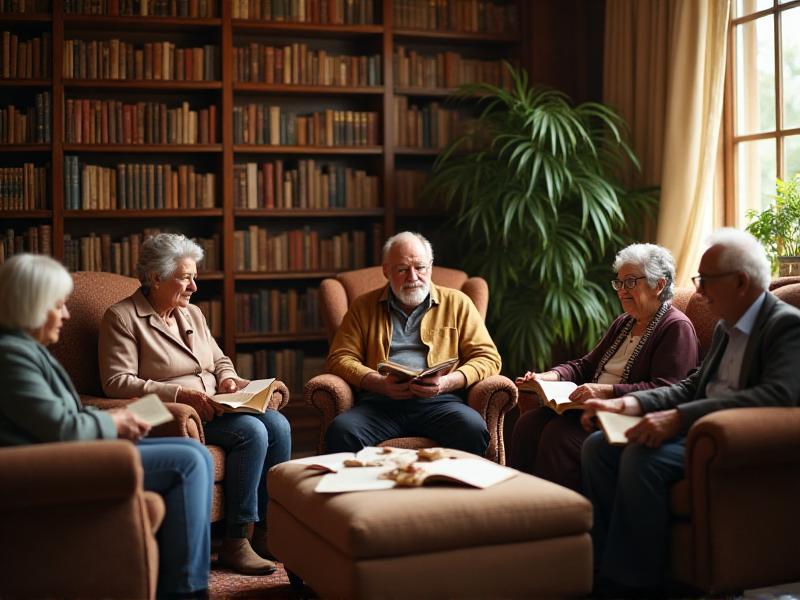
4. Volunteer in Your Community
Volunteering is a powerful way to give back to your community while also meeting new people. Many retirees find that volunteering provides a sense of purpose and fulfillment, and it’s an excellent opportunity to connect with others who share your values. Whether you’re passionate about education, animal welfare, environmental conservation, or helping those in need, there are countless organizations that would welcome your time and skills.
Look for volunteer opportunities that align with your interests and schedule. Local nonprofits, schools, hospitals, and religious organizations often have programs specifically designed for retirees. Volunteering not only allows you to contribute to a cause you care about but also puts you in regular contact with others who are likely to share your passions. Over time, these shared experiences can lead to meaningful friendships and a stronger sense of community.
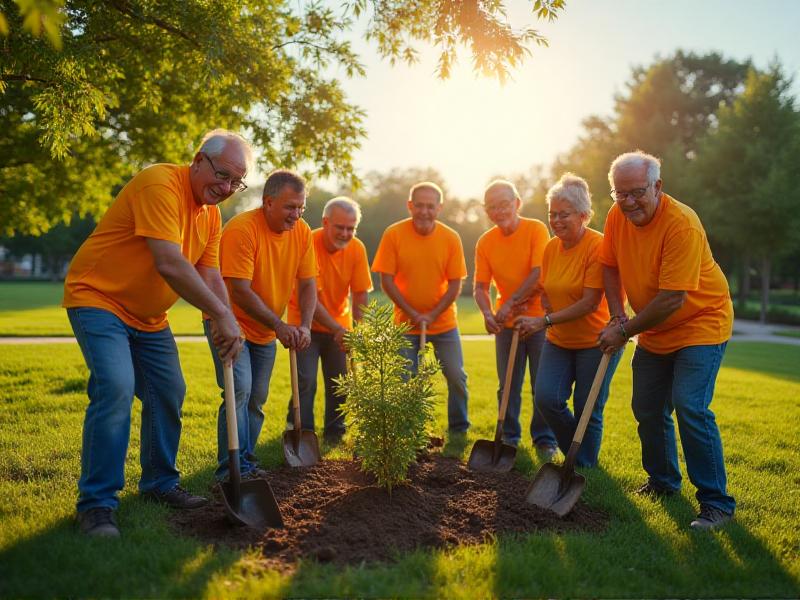
5. Take Classes or Workshops
Lifelong learning is a fantastic way to stay mentally active and socially engaged during retirement. Many community colleges, libraries, and cultural centers offer classes and workshops tailored to retirees. Whether you’re interested in learning a new language, mastering a craft, or exploring a new subject, taking a class can be a great way to meet people who share your curiosity and enthusiasm.
When choosing a class, consider both the subject matter and the social environment. Smaller, interactive classes often provide more opportunities for conversation and connection. Don’t hesitate to introduce yourself to classmates and suggest grabbing a coffee or lunch after class. Over time, these casual interactions can develop into deeper friendships. Plus, learning something new together creates a natural bond and gives you something to talk about beyond the usual small talk.

6. Attend Community Events
Community events are a goldmine for meeting new people and immersing yourself in local culture. From farmers’ markets and festivals to lectures and concerts, there’s always something happening in most communities. These events provide a relaxed and informal setting for striking up conversations and making connections.
To make the most of community events, go with an open mind and a willingness to engage. Start by attending events that align with your interests, whether it’s a food festival, a historical tour, or a live music performance. Don’t be afraid to introduce yourself to others and ask questions—people often enjoy sharing their experiences and recommendations. Over time, you may start to recognize familiar faces, which can lead to deeper connections and friendships.

7. Leverage Technology to Stay Connected
In today’s digital age, technology can be a powerful tool for building and maintaining friendships. Social media platforms, online forums, and video calls make it easier than ever to stay connected with people, even if they live far away. For retirees, technology can also be a gateway to meeting new people through virtual communities and interest-based groups.
Consider joining online groups or forums related to your hobbies, interests, or local area. Platforms like Facebook, Reddit, and Meetup have countless groups where you can engage in discussions, share experiences, and even organize in-person meetups. Video calls can also help you stay connected with friends and family, especially if mobility or distance is a challenge. While technology shouldn’t replace face-to-face interactions, it can be a valuable supplement to your social life.

8. Be Patient and Persistent
Building friendships after 30, especially during retirement, takes time and effort. It’s important to be patient with yourself and others as you navigate this process. Not every interaction will lead to a deep friendship, and that’s okay. The key is to stay persistent and keep putting yourself out there, even if it feels uncomfortable at first.
Remember that friendships often develop gradually, through repeated interactions and shared experiences. Don’t be discouraged by setbacks or slow progress—focus on enjoying the journey and celebrating small victories along the way. Over time, your efforts will pay off, and you’ll find yourself surrounded by a supportive and fulfilling social network.