
How to Make Friends After 30 When You’re Divorced
1. Embracing Your New Chapter: The First Step to Building Connections
Divorce can feel like the end of a chapter, but it’s also the beginning of a new one. After 30, life often looks different—careers are more established, routines are set, and social circles may have shifted. Making friends as an adult, especially after a divorce, requires a mindset shift. Start by embracing this new phase of your life. Acknowledge the changes and see them as opportunities rather than obstacles. This mindset will help you approach new friendships with openness and positivity.
One way to embrace this new chapter is to reflect on what you want from your friendships. Are you looking for deep, meaningful connections, or do you want to expand your social circle with casual acquaintances? Understanding your goals will help you focus your efforts and make the process less overwhelming.

2. Reconnecting with Old Friends: Rekindling Lost Bonds
After a divorce, it’s common to feel isolated, but you don’t have to start from scratch. Reconnecting with old friends can be a great way to rebuild your social life. These are people who already know you and understand your history, which can make rebuilding connections easier. Reach out to friends you may have lost touch with during your marriage. A simple message or phone call can reignite a friendship.
When reconnecting, be honest about where you are in life. Share your experiences and let them know you’re looking to rebuild your social circle. Most people will appreciate your honesty and may even be going through similar experiences themselves. Rekindling old friendships can provide a sense of stability and comfort during a time of change.

3. Exploring New Hobbies: A Gateway to Meeting Like-Minded People
One of the best ways to meet new people after 30 is by exploring hobbies and interests. Whether it’s joining a book club, taking a cooking class, or signing up for a local sports league, hobbies provide a natural way to connect with others who share your passions. These activities create a relaxed environment where friendships can develop organically.
When choosing a hobby, think about what excites you. Don’t be afraid to step out of your comfort zone and try something new. The goal is to have fun and enjoy the process, not to put pressure on yourself to make friends immediately. Over time, shared experiences and common interests will help you build meaningful connections.

4. Leveraging Online Communities: Building Friendships in the Digital Age
In today’s digital world, online communities offer a powerful way to connect with others. Platforms like Meetup, Facebook Groups, and even specialized forums can help you find people who share your interests or are in similar life situations. These platforms allow you to join groups, attend events, and participate in discussions from the comfort of your home.
When engaging in online communities, be proactive. Introduce yourself, share your story, and participate in conversations. Over time, you can transition from online interactions to in-person meetups. This approach can be especially helpful if you’re shy or hesitant about meeting new people face-to-face right away.

5. Volunteering: Giving Back While Building Connections
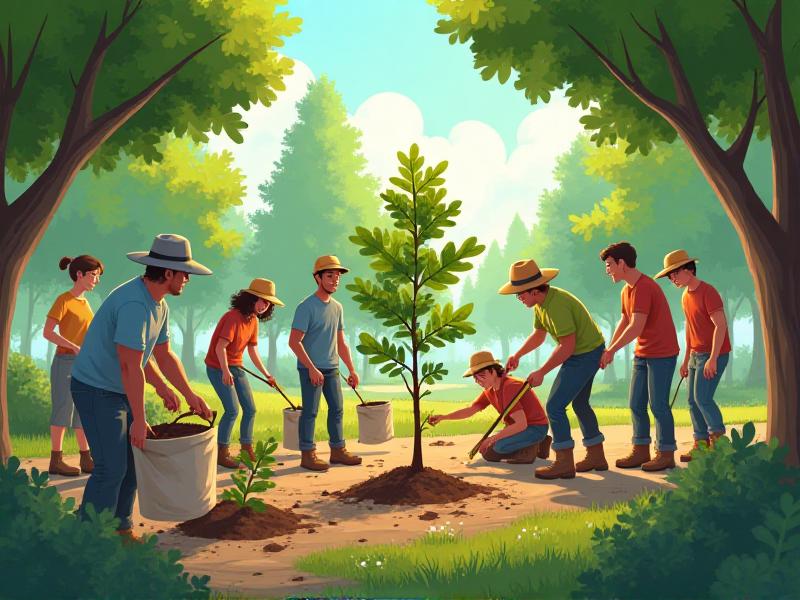
Volunteering is a rewarding way to meet new people while making a positive impact on your community. Whether it’s helping at a local food bank, mentoring youth, or participating in environmental cleanups, volunteering brings together people who are passionate about the same causes. This shared sense of purpose can create strong bonds and lasting friendships.
When choosing a volunteer opportunity, consider your interests and values. Look for organizations that align with your passions, as this will make the experience more enjoyable and fulfilling. Volunteering not only helps you meet new people but also boosts your self-esteem and sense of purpose, which are especially important after a divorce.
6. Navigating Social Events: Tips for Making a Great Impression
Attending social events can be intimidating, especially if you’re doing it alone. However, these gatherings are excellent opportunities to meet new people and expand your social circle. Start by attending events that interest you, such as networking mixers, community festivals, or cultural events. This will make it easier to strike up conversations with others who share your interests.
When at an event, focus on being present and approachable. Smile, make eye contact, and be open to starting conversations. Remember, everyone is there to connect, so don’t be afraid to introduce yourself. If you’re nervous, prepare a few conversation starters in advance. The more you practice, the more confident you’ll become.

7. Building Confidence: Overcoming the Fear of Rejection
Making friends after 30 can feel daunting, especially if you’re worried about rejection. It’s important to remember that not every interaction will lead to a friendship, and that’s okay. Building confidence takes time, but there are steps you can take to overcome the fear of rejection. Start by focusing on your strengths and the qualities that make you a great friend.
Practice self-compassion and remind yourself that rejection is a natural part of the process. Not everyone will click, and that’s not a reflection of your worth. Surround yourself with supportive people who encourage you to step out of your comfort zone. Over time, your confidence will grow, and making friends will feel more natural.

8. Maintaining Friendships: The Key to Long-Lasting Connections
Once you’ve made new friends, it’s important to nurture those relationships. Maintaining friendships requires effort and intentionality, especially as an adult with a busy schedule. Make time for regular check-ins, whether it’s a quick text, a phone call, or a coffee date. Show genuine interest in their lives and be there to support them during both good and challenging times.
Remember that friendships are a two-way street. Be proactive in planning activities and showing appreciation for your friends. Small gestures, like remembering their birthdays or sending a thoughtful message, can go a long way in strengthening your bond. By investing in your friendships, you’ll create a supportive network that enriches your life.

9. Seeking Professional Support: When to Consider Therapy or Coaching
If you’re struggling to make friends after 30, seeking professional support can be a valuable step. Therapists and life coaches can help you work through any emotional barriers or limiting beliefs that may be holding you back. They can also provide practical strategies for building confidence and improving your social skills.
Don’t be afraid to reach out for help if you need it. Therapy and coaching are not signs of weakness but tools for personal growth. By addressing any underlying issues, you’ll be better equipped to form meaningful connections and navigate the challenges of making friends as an adult.

10. Celebrating Your Progress: Recognizing the Wins Along the Way
Making friends after 30 is a journey, and it’s important to celebrate your progress along the way. Whether it’s attending a social event, reconnecting with an old friend, or joining a new group, each step forward is a win. Take time to acknowledge your efforts and the courage it takes to put yourself out there.
Keep a journal to track your experiences and reflect on what you’ve learned. This will help you stay motivated and recognize how far you’ve come. Remember, building friendships takes time, but every small step brings you closer to creating a fulfilling social life.