
How to Make Friends After 30 When You Work from Home
1. Understanding the Challenges of Making Friends After 30
Making friends after 30 can feel like an uphill battle, especially when you work from home. Unlike school or early career environments, where social interactions are built into your daily routine, remote work often isolates you from spontaneous connections. The lack of a physical office means fewer watercooler chats, team lunches, or after-work happy hours. Additionally, as people age, their social circles tend to shrink due to life changes like marriage, parenthood, or relocation. This can leave you feeling disconnected and unsure of where to start.
Another challenge is the shift in priorities. In your 30s, you might be more focused on career growth, family responsibilities, or personal development, leaving less time for socializing. The effort required to build new friendships can feel daunting, especially when you’re juggling multiple responsibilities. However, recognizing these challenges is the first step toward overcoming them. By understanding the barriers, you can develop strategies to create meaningful connections despite the obstacles.

2. Leveraging Your Existing Network
One of the easiest ways to make friends after 30 is to tap into your existing network. Think about people you’ve lost touch with over the years—former colleagues, classmates, or acquaintances. Reaching out to them can reignite old friendships and provide a foundation for new ones. Social media platforms like LinkedIn, Facebook, or Instagram make it easier than ever to reconnect. A simple message like, “Hey, it’s been a while! How have you been?” can open the door to meaningful conversations.
Another approach is to deepen relationships with people you already know but aren’t particularly close to. For example, you might have a neighbor you exchange pleasantries with or a casual acquaintance from a hobby group. Inviting them for coffee, a walk, or a virtual hangout can help you build a stronger bond. Remember, friendships often start with small, consistent efforts. By nurturing your existing connections, you can create a supportive social circle without starting from scratch.

3. Exploring Hobbies and Interest-Based Communities
Hobbies and shared interests are powerful tools for building friendships. When you work from home, it’s essential to carve out time for activities that bring you joy and connect you with like-minded people. Whether it’s joining a book club, taking a cooking class, or participating in a local sports league, these activities provide opportunities to meet others who share your passions. Websites like Meetup, Eventbrite, and Facebook Groups are excellent resources for finding local or virtual events.
If you’re unsure where to start, consider exploring new hobbies. Trying something new not only broadens your horizons but also puts you in a beginner’s mindset, making it easier to connect with others who are also learning. For example, taking a pottery class or joining a hiking group can introduce you to people who are open to forming new friendships. The key is to be consistent and open-minded. Over time, these shared experiences can lead to deeper connections.

4. Building Friendships Through Volunteering
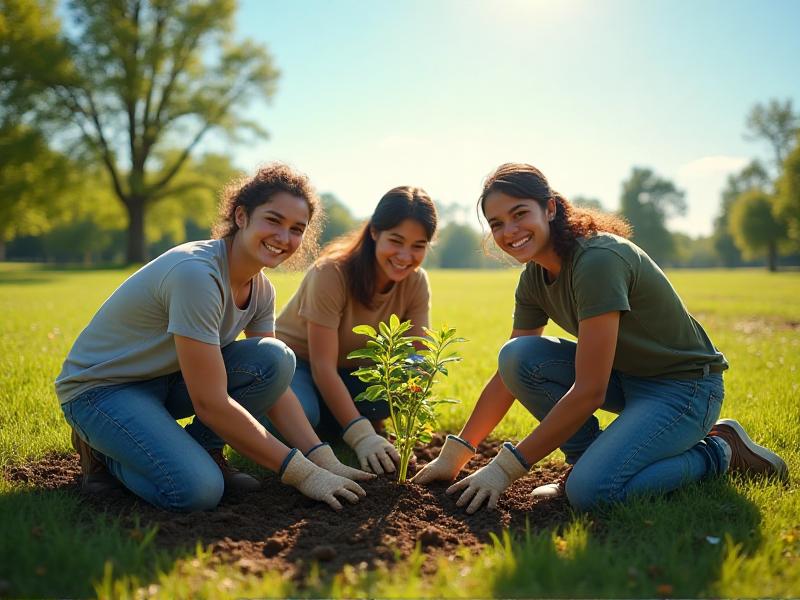
Volunteering is a meaningful way to meet people while giving back to your community. When you work from home, it’s easy to feel disconnected from the world around you. Volunteering allows you to step outside your bubble and engage with others who share your values. Whether it’s helping at a food bank, mentoring young professionals, or participating in environmental cleanups, these activities provide a sense of purpose and connection.
To get started, research local organizations or causes that resonate with you. Many nonprofits host volunteer events or have ongoing programs where you can contribute your time and skills. Volunteering not only helps you meet new people but also fosters a sense of belonging and fulfillment. Plus, the shared experience of working toward a common goal can create strong bonds with others. Over time, these connections can evolve into lasting friendships.
5. Embracing Online Communities and Social Media
In today’s digital age, online communities offer a wealth of opportunities to connect with others. Platforms like Reddit, Discord, and specialized forums cater to a wide range of interests, from niche hobbies to professional networking. Joining these communities allows you to engage in conversations, share experiences, and build relationships with people who share your passions. For remote workers, online communities can be a lifeline, providing a sense of connection and belonging.
Social media can also be a powerful tool for making friends after 30. Platforms like Instagram and Twitter allow you to follow and interact with people who inspire you or share your interests. Engaging with their content, leaving thoughtful comments, or sending direct messages can help you build rapport. Additionally, many cities have local Facebook groups where members organize meetups, events, and activities. By actively participating in these online spaces, you can expand your social circle and create meaningful connections.

6. Attending Networking Events and Workshops
Networking events and workshops are excellent opportunities to meet new people, especially if you work from home. These gatherings bring together individuals with similar professional or personal interests, making it easier to strike up conversations. Look for events in your industry, such as conferences, webinars, or panel discussions. Many cities also host workshops on topics like personal development, entrepreneurship, or creative skills.
When attending these events, focus on being approachable and genuine. Instead of trying to meet everyone, aim to have a few meaningful conversations. Ask open-ended questions, listen actively, and share your own experiences. Follow up with the people you connect with by exchanging contact information or connecting on LinkedIn. Over time, these professional relationships can evolve into friendships, especially if you share common goals or interests.

7. Prioritizing Consistency and Patience
Building friendships after 30 requires consistency and patience. Unlike childhood friendships, which often form quickly, adult friendships take time to develop. It’s important to be proactive in maintaining connections, whether it’s scheduling regular meetups, sending thoughtful messages, or showing up for important events. Consistency helps build trust and shows that you value the relationship.
At the same time, it’s essential to be patient. Not every interaction will lead to a close friendship, and that’s okay. Focus on enjoying the process of meeting new people and exploring different social opportunities. Over time, you’ll naturally gravitate toward those who share your values and interests. Remember, quality matters more than quantity when it comes to friendships. By prioritizing meaningful connections, you can create a supportive and fulfilling social circle.

8. Overcoming Social Anxiety and Fear of Rejection
For many people, social anxiety or fear of rejection can be a significant barrier to making friends after 30. The thought of putting yourself out there and risking rejection can feel overwhelming. However, it’s important to remember that everyone experiences these feelings to some degree. The key is to take small, manageable steps toward overcoming them.
Start by setting realistic goals, such as attending one social event per month or initiating a conversation with a new person each week. Practice self-compassion and remind yourself that rejection is a natural part of the process. Not everyone will click with you, and that’s okay. Focus on the connections that do resonate and celebrate your progress along the way. Over time, your confidence will grow, making it easier to form new friendships.

9. Balancing Work and Social Life
When you work from home, it’s easy to let work consume your life, leaving little time for socializing. However, maintaining a healthy work-life balance is crucial for your well-being and ability to make friends. Set boundaries around your work hours and prioritize time for social activities. This might mean scheduling regular coffee dates, joining a weekly fitness class, or dedicating evenings to hobbies and social events.
It’s also important to communicate your needs with your employer or clients. Let them know that you value your personal time and are committed to maintaining a balanced lifestyle. By creating space for social interactions, you’ll not only improve your mental health but also increase your chances of forming meaningful friendships. Remember, friendships thrive on shared experiences and quality time, so make an effort to prioritize them in your schedule.

10. Celebrating the Journey of Friendship Building
Making friends after 30 when you work from home is a journey, not a destination. It’s about embracing new experiences, stepping out of your comfort zone, and being open to the possibilities that come your way. Celebrate the small victories, whether it’s attending a new event, reconnecting with an old friend, or having a meaningful conversation with someone new.
Remember, friendships are a two-way street. Be a good listener, show genuine interest in others, and be willing to invest time and effort into building relationships. Over time, these efforts will pay off, and you’ll find yourself surrounded by a supportive and fulfilling social circle. The journey may have its challenges, but the rewards of meaningful connections are well worth it.