How to Make Friends After 30 Through Creative Hobbies
As we age, our social circles often shrink. Careers, family responsibilities, and the natural ebb and flow of life can make it harder to meet new people. Unlike in our younger years, where school, college, or early career stages provided built-in social networks, adulthood often lacks these organic opportunities. This can leave many feeling isolated or unsure of how to forge new connections. The good news is that creative hobbies can serve as a bridge to meaningful friendships, offering a shared passion as a foundation for connection.
The Power of Creative Hobbies in Building Connections
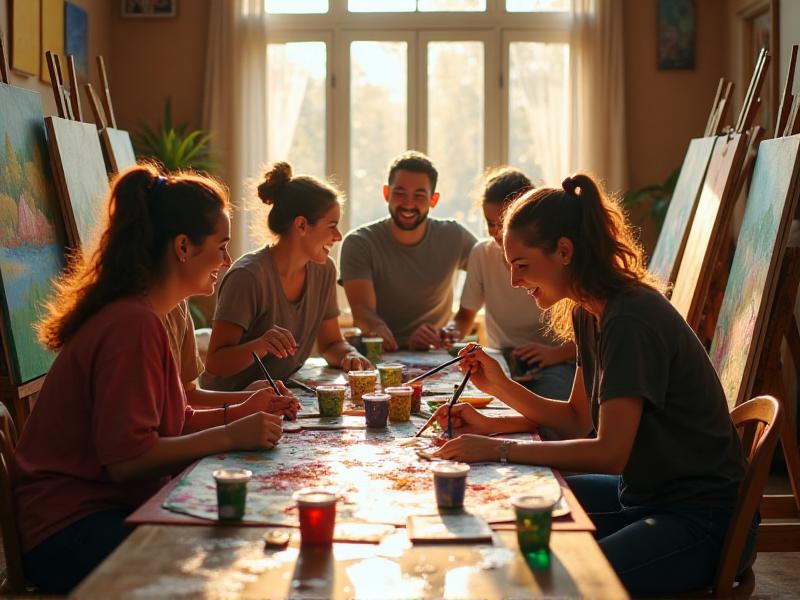
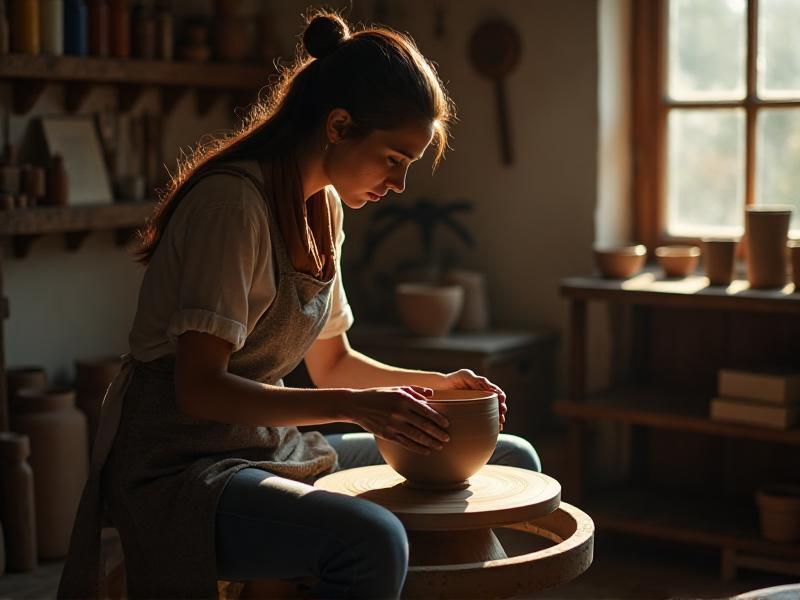
Creative hobbies are more than just a way to pass the time—they are a gateway to self-expression and community. Whether it’s painting, pottery, writing, or photography, these activities allow individuals to connect on a deeper level. Shared creativity fosters vulnerability and authenticity, which are key ingredients for lasting friendships. When you engage in a creative hobby with others, you’re not just learning a skill; you’re sharing experiences, ideas, and emotions that can lead to genuine bonds.
Choosing the Right Hobby for Your Personality
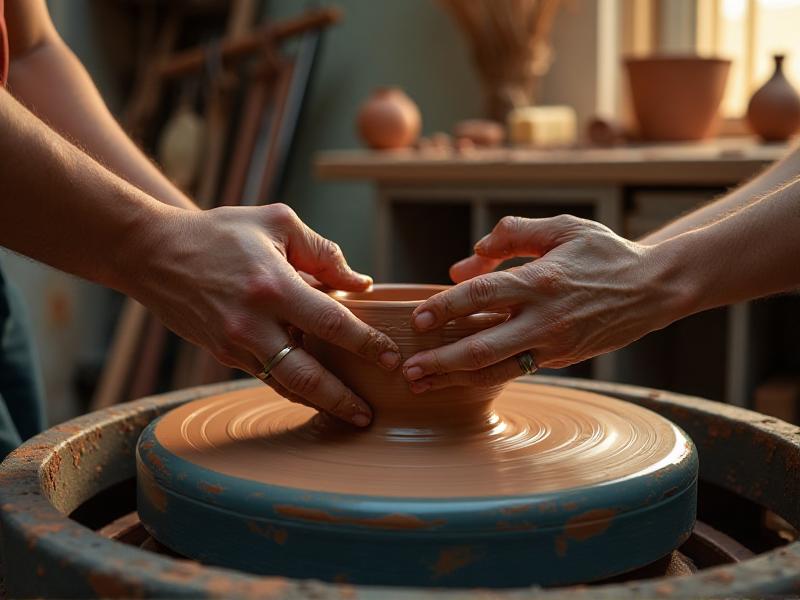
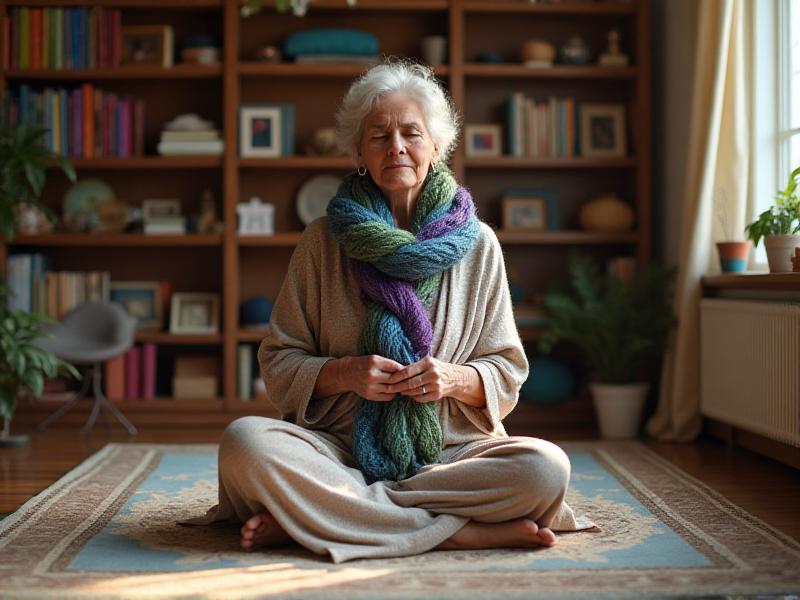
Not all hobbies are created equal, and finding the right one for your personality is crucial. If you’re an introvert, you might prefer quieter activities like journaling or knitting, where you can connect with others in a more intimate setting. Extroverts, on the other hand, might thrive in group classes like improv theater or dance. Consider your interests, energy levels, and social preferences when selecting a hobby. The goal is to choose something that excites you and aligns with your natural tendencies, making it easier to meet like-minded individuals.
Where to Find Creative Hobby Groups
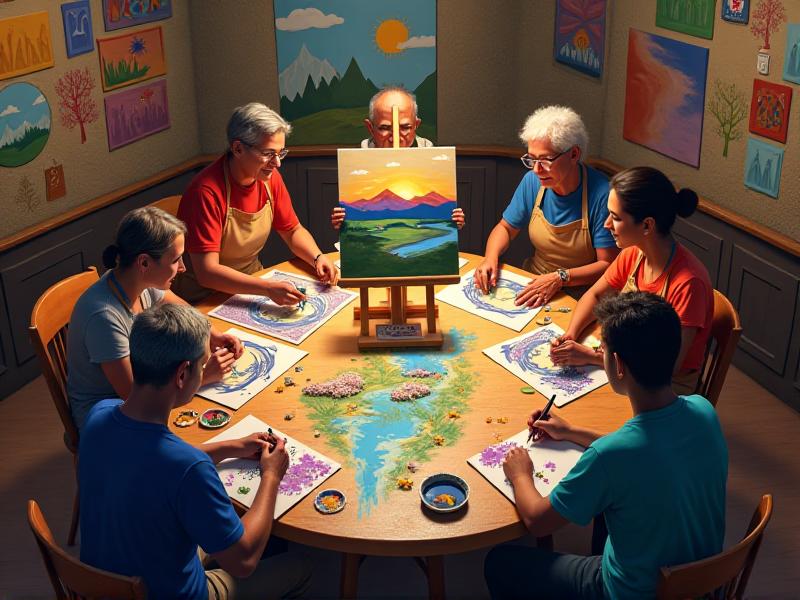
Once you’ve identified a hobby, the next step is finding a group or class to join. Local community centers, art studios, and libraries often host workshops and events. Online platforms like Meetup, Eventbrite, and Facebook Groups are also excellent resources for discovering local hobby communities. Don’t be afraid to step out of your comfort zone and attend a few events. Many groups are welcoming to newcomers and understand the challenges of making friends later in life.
Breaking the Ice: Tips for Starting Conversations
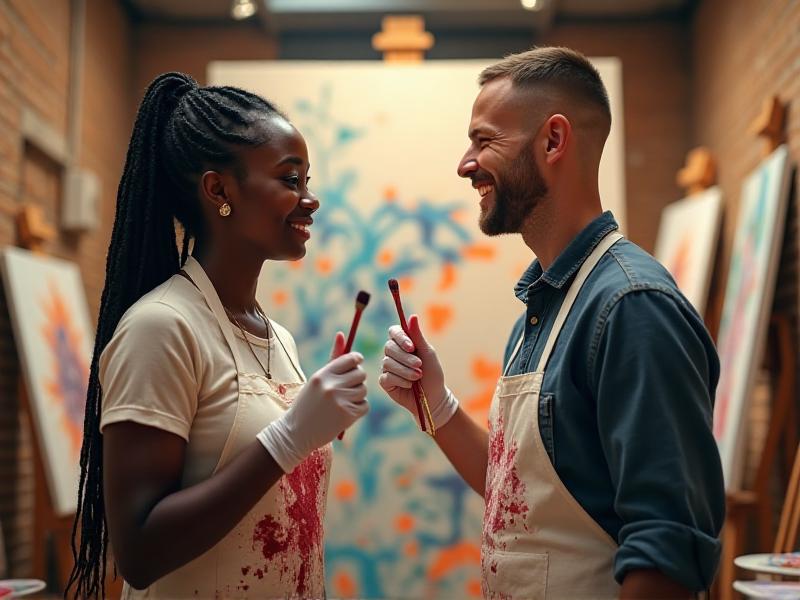
Walking into a new group can feel intimidating, but a little preparation can go a long way. Start by introducing yourself and asking others about their experience with the hobby. Compliment their work or ask for advice—this not only breaks the ice but also shows genuine interest. Remember, everyone is there because they share a common interest, so use that as a starting point for conversation. Over time, these small interactions can blossom into deeper connections.
Building Friendships Through Consistency
Friendships don’t happen overnight, and consistency is key. Attend classes or meetups regularly to build familiarity and trust. Over time, you’ll start to recognize familiar faces, and casual acquaintances can evolve into meaningful friendships. Don’t be discouraged if it takes a while—building relationships is a gradual process, but the effort is well worth it.
Balancing Vulnerability and Boundaries
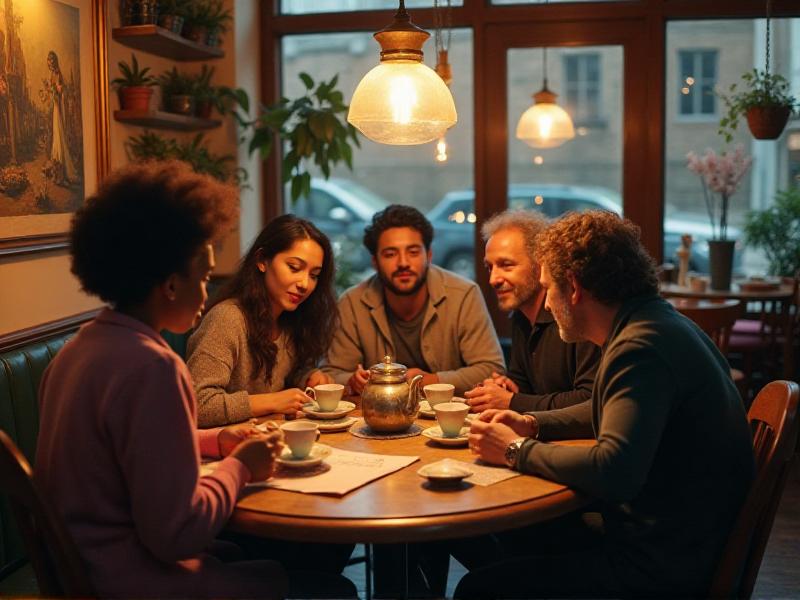
While vulnerability is essential for forming deep connections, it’s equally important to set boundaries. Share your thoughts and feelings at a pace that feels comfortable, and respect others’ boundaries as well. Healthy friendships are built on mutual respect and understanding, so take the time to nurture these qualities in your interactions.

Expanding Your Social Circle Beyond the Hobby
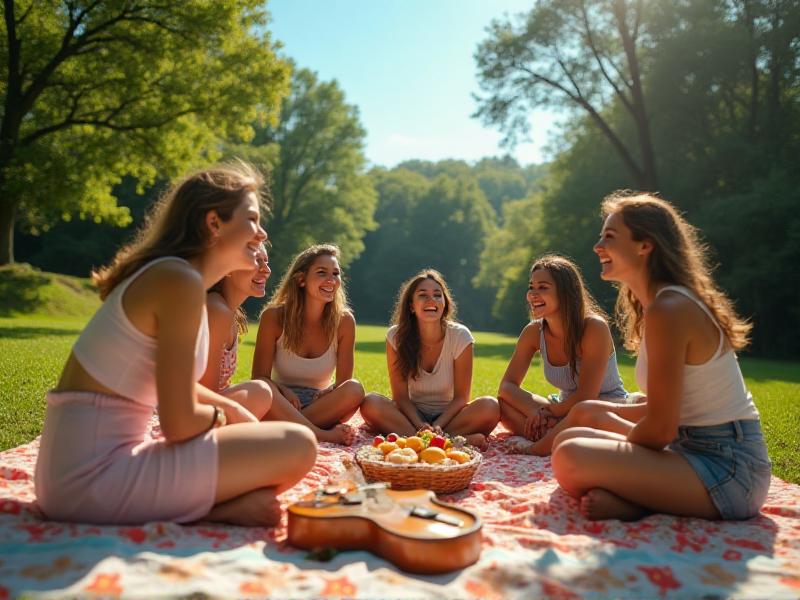
Once you’ve established a few connections within your hobby group, consider expanding your social circle by inviting friends to other activities. Whether it’s a coffee date, a hike, or a movie night, these outings can help deepen your relationships and create a more well-rounded friendship. The shared hobby is just the beginning—there’s a whole world of experiences to explore together.
Overcoming Setbacks and Staying Motivated
Not every attempt to make friends will be successful, and that’s okay. Rejection or awkward moments are part of the process, but they shouldn’t deter you from continuing your efforts. Stay motivated by focusing on the joy your hobby brings and the potential for future connections. Remember, every interaction is a step toward building the social life you desire.
Celebrating the Friendships You Build
As you begin to form meaningful friendships, take the time to celebrate these connections. Acknowledge the effort you’ve put into building your social circle and appreciate the joy these relationships bring. Whether it’s a small gathering or a heartfelt thank-you note, expressing gratitude can strengthen your bonds and remind you of the value of creative hobbies in your life.