
How to Make Friends After 30 by Being Your Authentic Self
1. Embracing Authenticity: The Foundation of Meaningful Connections
Making friends after 30 can feel daunting, especially when life becomes busier and social circles shrink. However, the key to forming genuine connections lies in embracing your authentic self. Authenticity is about being true to who you are, without pretense or fear of judgment. When you show up as your real self, you attract people who appreciate you for who you truly are.
Start by reflecting on your values, interests, and passions. What makes you unique? What do you genuinely enjoy doing? When you engage in activities that align with your true self, you naturally meet like-minded individuals. For example, if you love hiking, join a local hiking group. If you’re passionate about art, attend gallery openings or take a painting class. Authenticity shines when you’re doing what you love.
Remember, authenticity also means being vulnerable. It’s okay to admit that making friends as an adult can be challenging. Sharing your experiences and struggles can create a sense of camaraderie and openness, paving the way for deeper connections.

2. Overcoming the Fear of Rejection: Building Confidence in Social Settings
One of the biggest hurdles in making friends after 30 is the fear of rejection. As adults, we often worry about being judged or not fitting in. However, it’s important to remember that everyone feels this way to some extent. Building confidence in social settings starts with shifting your mindset.
Instead of focusing on what others might think of you, concentrate on the value you bring to the interaction. Approach conversations with curiosity and a genuine interest in getting to know the other person. Ask open-ended questions and listen actively. This not only helps you connect but also takes the pressure off yourself.
Another way to build confidence is to practice self-compassion. Understand that not every interaction will lead to a lifelong friendship, and that’s okay. Each conversation is an opportunity to learn and grow. Over time, you’ll become more comfortable putting yourself out there, and the fear of rejection will diminish.

3. Finding Your Tribe: Where to Meet Like-Minded People
As you grow older, your interests and priorities evolve, and so do the types of friendships you seek. Finding your tribe—people who share your values and passions—is essential for building lasting connections. But where do you start?
One effective way to meet like-minded individuals is through shared activities and hobbies. Join clubs, attend workshops, or participate in community events that align with your interests. Whether it’s a book club, a fitness class, or a volunteer organization, these settings provide a natural environment for forming connections.
Online platforms can also be a valuable resource. Websites like Meetup or Facebook Groups offer a plethora of options for finding local groups that cater to your interests. Don’t be afraid to take the first step and attend an event. Remember, everyone is there for the same reason—to connect with others.
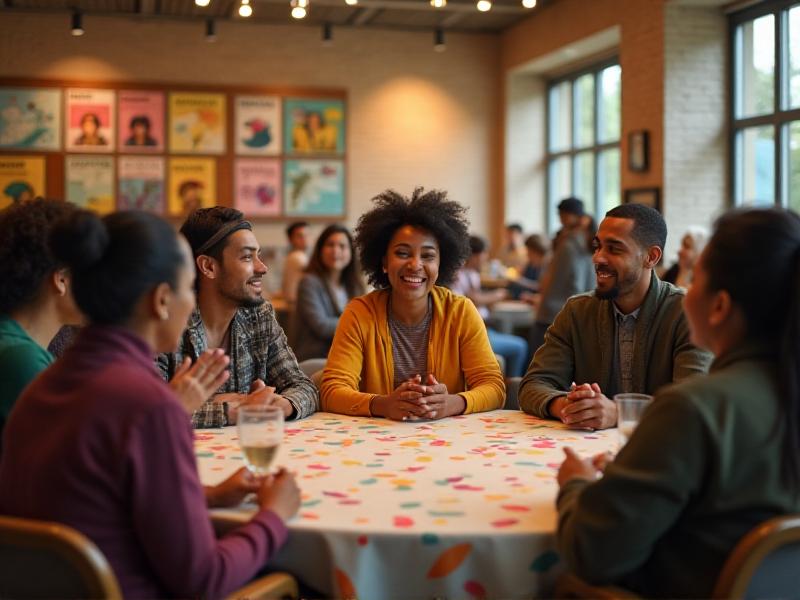
4. The Art of Conversation: How to Connect on a Deeper Level
Meaningful friendships are built on meaningful conversations. As an adult, it’s important to move beyond small talk and connect on a deeper level. This requires active listening, empathy, and a willingness to share your own experiences.
Start by asking open-ended questions that encourage the other person to share more about themselves. For example, instead of asking, “How’s work?” you might ask, “What’s something you’re passionate about in your job?” This opens the door to more personal and engaging discussions.
Don’t be afraid to share your own stories and experiences. Vulnerability is a powerful tool for building trust and connection. When you open up about your own challenges and triumphs, it creates a safe space for the other person to do the same.

5. Nurturing New Friendships: The Importance of Consistency and Effort
Once you’ve made a new connection, the next step is to nurture that friendship. Building a strong bond requires consistency and effort. This means making time for each other, even when life gets busy.
Schedule regular meetups or check-ins, whether it’s a weekly coffee date or a monthly dinner. Consistency helps build trust and keeps the friendship alive. Additionally, show genuine interest in your friend’s life. Remember important dates, ask about their goals and challenges, and celebrate their successes.
It’s also important to be patient. Friendships take time to develop, and it’s natural for the relationship to evolve over time. Be open to the ebb and flow of the friendship, and don’t be discouraged if it doesn’t feel deep right away. With time and effort, your connection will grow stronger.

6. Balancing Friendships with Adult Responsibilities
As we age, our responsibilities often increase, making it challenging to balance friendships with work, family, and other commitments. However, maintaining friendships is crucial for our well-being, so it’s important to find a balance that works for you.
One way to manage this is by integrating friendships into your existing routine. For example, if you have a busy schedule, consider combining social activities with other tasks. You could exercise with a friend, have a lunch meeting, or even run errands together. This allows you to stay connected without adding extra pressure to your day.
It’s also important to communicate openly with your friends about your availability. Let them know when you’re busy and when you’re free to spend time together. True friends will understand and appreciate your honesty. Remember, quality matters more than quantity when it comes to maintaining friendships.

7. The Role of Vulnerability in Deepening Friendships
Vulnerability is often seen as a weakness, but in reality, it’s a strength that can deepen friendships. When you allow yourself to be vulnerable, you create a space for genuine connection and trust to flourish.
Start by sharing your own experiences and emotions with your friends. This could be as simple as talking about a challenging day at work or sharing a personal goal you’re working towards. When you open up, it encourages your friend to do the same, creating a deeper bond.
It’s also important to be a good listener when your friend shares their vulnerabilities. Offer support, empathy, and understanding without judgment. This mutual exchange of vulnerability strengthens the friendship and fosters a sense of closeness.

8. Staying True to Yourself: Avoiding the Trap of People-Pleasing
When trying to make new friends, it’s easy to fall into the trap of people-pleasing. You might find yourself agreeing to things you don’t want to do or pretending to be someone you’re not in order to fit in. However, this approach is unsustainable and can lead to resentment.
Instead, focus on staying true to yourself. Be honest about your boundaries and preferences. If you don’t enjoy a particular activity, suggest an alternative that you would both enjoy. True friends will respect your authenticity and appreciate your honesty.
Remember, the goal is to build friendships based on mutual respect and understanding, not on trying to please others. By staying true to yourself, you attract people who value you for who you truly are.

9. The Power of Gratitude in Strengthening Friendships
Gratitude is a powerful tool for strengthening friendships. When you express appreciation for your friends, it reinforces the bond and creates a positive dynamic in the relationship.
Take the time to acknowledge the little things your friends do for you. Whether it’s a kind word, a thoughtful gesture, or simply being there for you, expressing gratitude shows that you value and appreciate them. This can be as simple as sending a thank-you text or writing a heartfelt note.
Gratitude also helps shift your focus to the positive aspects of the friendship, which can be especially important during challenging times. By cultivating a mindset of gratitude, you create a foundation of positivity and mutual appreciation that strengthens the friendship over time.

10. Embracing Change: How Friendships Evolve Over Time
As we grow older, our friendships naturally evolve. People move, priorities shift, and life circumstances change. Embracing this evolution is key to maintaining healthy and fulfilling friendships.
Understand that it’s normal for friendships to change over time. Some friendships may fade, while others may grow stronger. The important thing is to be open to these changes and to adapt accordingly. Stay in touch with friends who move away, and be willing to put in the effort to maintain the connection.
At the same time, be open to forming new friendships as your life evolves. As you enter new phases of life, you’ll meet new people who align with your current interests and values. Embrace these new connections and allow them to enrich your life.