How to Make Friends After 30: A Step-by-Step Guide
1. Understanding the Challenges of Making Friends After 30
Making friends after 30 can feel like navigating uncharted territory. Unlike in your younger years, when friendships often formed organically through school, college, or early career environments, adulthood brings new challenges. Busy schedules, family responsibilities, and the natural evolution of social circles can make it harder to connect with new people. Additionally, many adults feel self-conscious about putting themselves out there, fearing rejection or judgment.
However, it’s important to recognize that these challenges are common and surmountable. By understanding the unique dynamics of adult friendships, you can approach the process with confidence and clarity. Friendships in adulthood often require more intentionality, but they can also be deeper and more meaningful. The key is to embrace the journey and be open to new experiences.

2. Shifting Your Mindset: Embrace the Possibility of New Connections
One of the biggest barriers to making friends after 30 is mindset. Many people assume that their social circle is set in stone or that it’s too late to form meaningful connections. This limiting belief can hold you back from taking the necessary steps to meet new people. Instead, try shifting your perspective. View friendship-building as an exciting opportunity to expand your horizons and enrich your life.
Start by letting go of the fear of rejection. Not every interaction will lead to a lifelong friendship, and that’s okay. Focus on enjoying the process of meeting new people and learning about their experiences. Remember, everyone is in the same boat, and many adults are looking to make new friends just like you. By approaching the process with curiosity and openness, you’ll find it easier to connect with others.

3. Identifying Shared Interests: The Foundation of Adult Friendships
Shared interests are the cornerstone of lasting friendships. As an adult, you’re more likely to connect with people who share your hobbies, passions, or values. Start by reflecting on your interests and identifying activities that bring you joy. Whether it’s hiking, cooking, reading, or volunteering, these pursuits can serve as a natural bridge to meeting like-minded individuals.
Consider joining clubs, classes, or online communities centered around your interests. Websites like Meetup or Eventbrite are great resources for finding local events and groups. Don’t be afraid to step out of your comfort zone and try something new. Even if you don’t immediately click with everyone, you’ll gain valuable experiences and expand your social network.

4. Building Confidence: Overcoming Social Anxiety
Social anxiety can be a significant hurdle when trying to make friends after 30. The fear of awkward conversations or being judged can make it difficult to initiate interactions. To build confidence, start small. Practice striking up conversations with strangers in low-pressure settings, like at a coffee shop or during a workout class. Over time, these small interactions will help you feel more comfortable in social situations.
Another effective strategy is to prepare a few conversation starters or questions in advance. This can help ease the initial awkwardness and keep the conversation flowing. Remember, most people appreciate genuine interest and effort, so don’t be afraid to take the first step. Confidence grows with practice, so be patient with yourself and celebrate your progress along the way.

5. Leveraging Technology: Apps and Online Communities
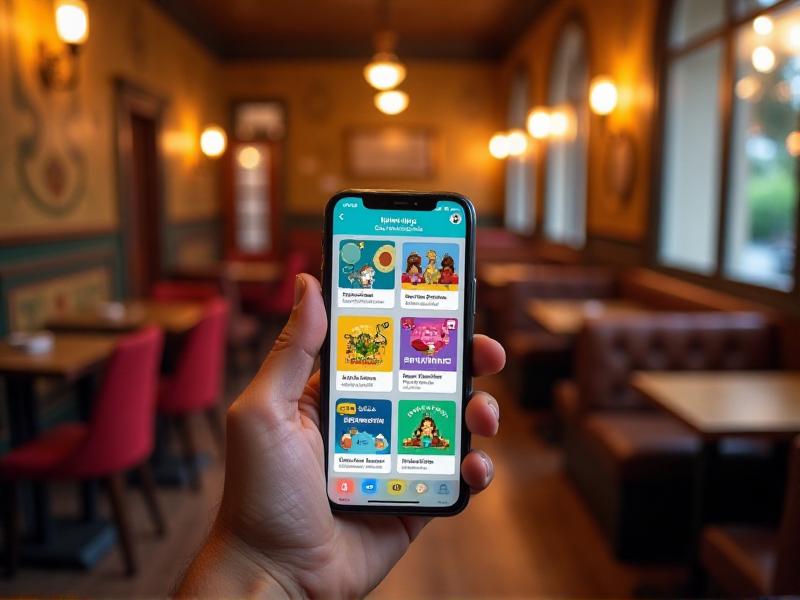
In today’s digital age, technology can be a powerful tool for making friends. Apps like Bumble BFF, Friender, and Peanut are specifically designed to help adults connect with potential friends. These platforms allow you to create a profile, share your interests, and match with like-minded individuals. While online friendships may feel different at first, they can evolve into meaningful in-person connections.
Social media and online communities also offer opportunities to connect with people who share your interests. Join Facebook groups, Reddit threads, or forums related to your hobbies or passions. Engage in conversations, share your experiences, and don’t hesitate to reach out to someone who seems interesting. The key is to be authentic and consistent in your interactions.

6. Nurturing New Friendships: The Art of Consistency
Once you’ve made a new connection, the next step is to nurture the friendship. Consistency is crucial in building trust and deepening the bond. Make an effort to stay in touch regularly, whether through text messages, phone calls, or in-person meetups. Small gestures, like remembering important dates or checking in during tough times, can go a long way in showing that you care.
It’s also important to be patient. Adult friendships take time to develop, and it’s normal for the relationship to evolve gradually. Focus on quality over quantity, and prioritize spending time with people who make you feel valued and supported. By investing time and energy into your new friendships, you’ll create a strong foundation for lasting connections.

7. Balancing Friendships with Other Responsibilities
As an adult, balancing friendships with work, family, and other responsibilities can be challenging. However, maintaining a healthy social life is essential for your well-being. Start by setting realistic expectations for yourself and your friends. Understand that everyone has busy schedules, and it’s okay if you can’t meet up as often as you’d like.
To make the most of your time together, plan activities that fit into your schedule. This could be a quick coffee date, a weekend hike, or a virtual game night. The key is to prioritize your friendships and make them a consistent part of your life. By finding a balance that works for you, you’ll be able to maintain strong connections without feeling overwhelmed.

8. Embracing Vulnerability: The Key to Deeper Connections
Vulnerability is the foundation of meaningful friendships. While it can be intimidating to open up to new people, sharing your thoughts, feelings, and experiences is essential for building trust and intimacy. Start by being honest about your own struggles and aspirations. This authenticity will encourage others to do the same, creating a deeper connection.
Remember, vulnerability doesn’t mean oversharing or exposing yourself to harm. It’s about being genuine and allowing yourself to be seen for who you are. As you build trust with your new friends, you’ll find that these deeper conversations strengthen your bond and create a sense of mutual support.

9. Expanding Your Social Circle: Networking and Community Involvement
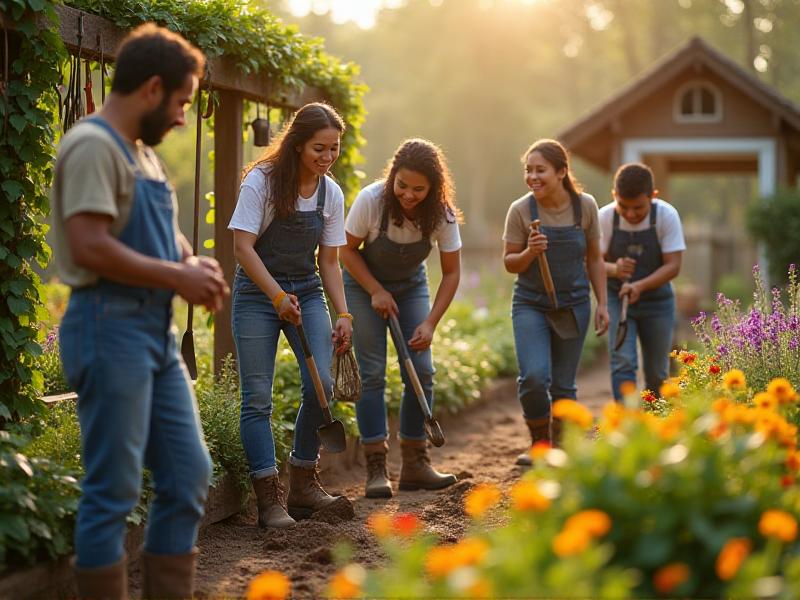
Expanding your social circle often requires stepping outside your immediate environment. Networking events, community organizations, and volunteer opportunities are excellent ways to meet new people while contributing to a cause you care about. These settings provide a natural context for conversation and collaboration, making it easier to form connections.
When attending events, focus on building genuine relationships rather than collecting contacts. Ask questions, listen actively, and show interest in others’ experiences. Over time, these interactions can lead to meaningful friendships and a broader support network. By engaging with your community, you’ll not only make new friends but also enrich your life in unexpected ways.
10. Celebrating the Journey: Finding Joy in the Process
Making friends after 30 is a journey, not a destination. Celebrate the small victories along the way, whether it’s striking up a conversation with a stranger or planning your first outing with a new friend. Each step brings you closer to building a fulfilling social life.
Remember, friendship is about quality, not quantity. Focus on cultivating relationships that bring joy, support, and meaning to your life. By embracing the process and staying open to new possibilities, you’ll find that making friends after 30 is not only possible but also deeply rewarding.