How to Embrace Vulnerability to Make Friends After 30
As we age, the dynamics of making friends change significantly. In our 20s, friendships often form organically through school, work, or social gatherings. However, after 30, life becomes more structured, and opportunities to meet new people diminish. This is where vulnerability comes into play. Being open and authentic about your feelings, experiences, and struggles can create a deeper connection with others. Vulnerability allows you to break down the walls that often keep people at a distance, fostering trust and mutual understanding.
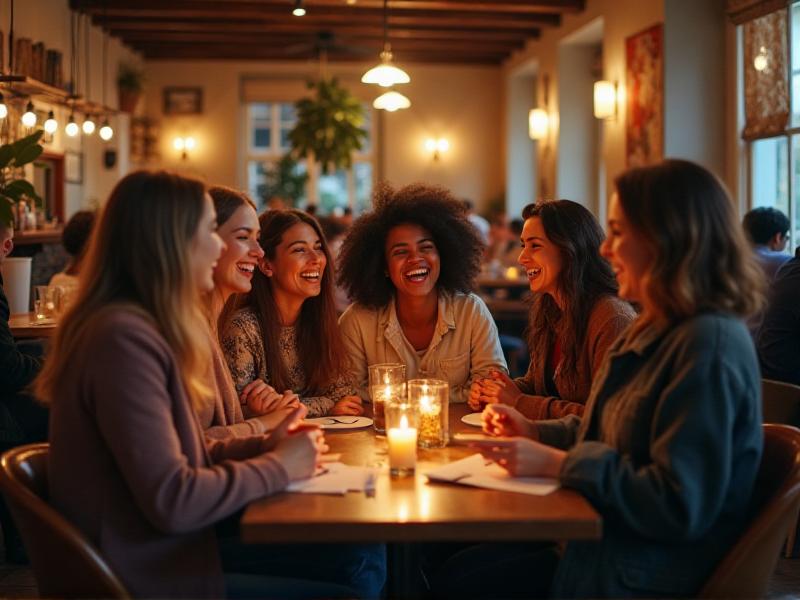
When you embrace vulnerability, you signal to others that it's safe for them to be themselves around you. This mutual openness can lead to more meaningful and lasting friendships. It's not about oversharing or being overly emotional; it's about being genuine and allowing others to see the real you. This authenticity can be incredibly attractive and can draw people towards you, making it easier to form new connections.

Overcoming the Fear of Rejection
One of the biggest barriers to vulnerability is the fear of rejection. After 30, many people have experienced enough life to have been hurt or let down, making them wary of opening up to new people. However, it's important to remember that rejection is a natural part of life and not a reflection of your worth. By embracing vulnerability, you accept that not everyone will respond positively, but those who do will be worth the risk.
To overcome this fear, start small. Share something personal with someone you trust and gauge their reaction. Gradually, as you become more comfortable, you can open up to new acquaintances. Remember, vulnerability is a two-way street. When you show your true self, you give others permission to do the same, creating a foundation for a genuine friendship.

The Role of Shared Experiences in Building Friendships
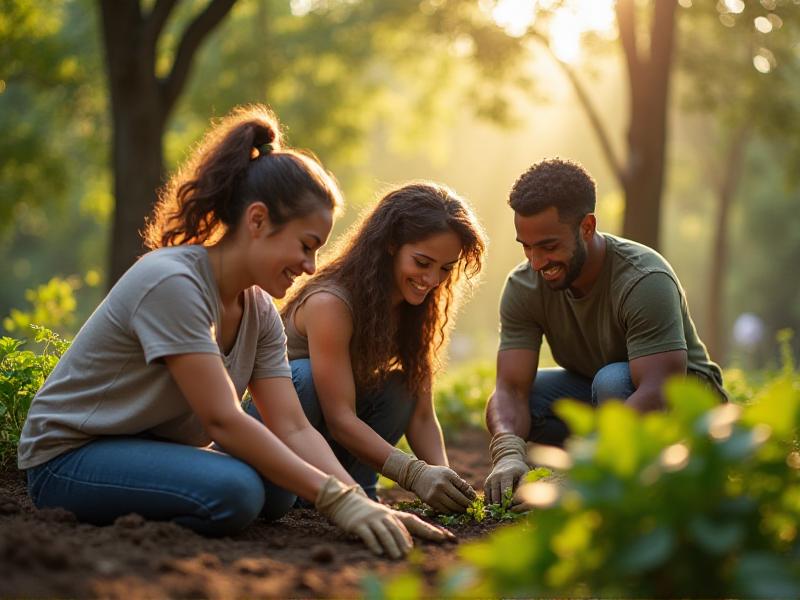
Shared experiences are a powerful way to build friendships, especially after 30. Whether it's a hobby, a life event, or a common interest, these shared moments create a bond that can quickly turn acquaintances into friends. Vulnerability plays a crucial role here, as it allows you to connect on a deeper level during these experiences.
For example, joining a book club or a fitness class can provide opportunities to meet like-minded individuals. By being open about your thoughts and feelings during these activities, you can create a sense of camaraderie that goes beyond surface-level interactions. The key is to be present and engaged, showing genuine interest in others and being willing to share a part of yourself.

How to Initiate Conversations That Foster Vulnerability
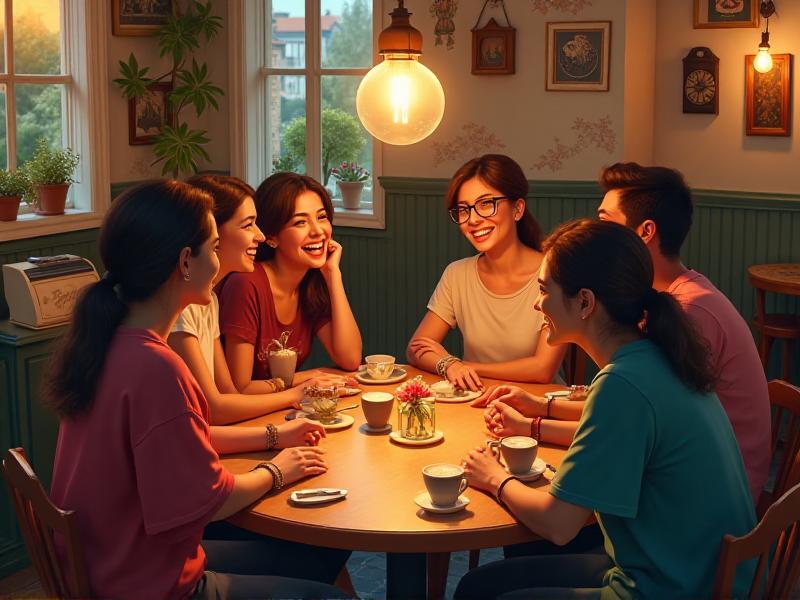
Starting a conversation that encourages vulnerability can be challenging, but it's essential for building deep connections. Begin by asking open-ended questions that invite more than a yes or no answer. For example, instead of asking, "Did you have a good weekend?" try, "What was the highlight of your weekend?" This encourages the other person to share more about their experiences and feelings.
Another effective strategy is to share something personal about yourself first. This sets the tone for the conversation and shows that you're willing to be vulnerable. For instance, you might say, "I've been feeling a bit overwhelmed with work lately. How do you manage stress?" This not only opens the door for a deeper discussion but also shows that you trust the other person with your feelings.

Navigating the Balance Between Vulnerability and Boundaries
While vulnerability is crucial for building friendships, it's equally important to maintain healthy boundaries. Being vulnerable doesn't mean sharing every detail of your life with everyone you meet. It's about being selective and discerning about what you share and with whom. This balance ensures that you protect your emotional well-being while still fostering meaningful connections.
To navigate this balance, pay attention to how the other person responds to your vulnerability. If they reciprocate and show genuine interest, it's a good sign that they're open to a deeper connection. However, if they seem uncomfortable or dismissive, it may be best to pull back and reassess the relationship. Remember, vulnerability is a gift, and it's important to share it with those who appreciate and respect it.

The Long-Term Benefits of Vulnerability in Friendships
Embracing vulnerability in your friendships after 30 can have long-term benefits that extend beyond just making new friends. It can lead to a more fulfilling and authentic life, where you feel truly seen and understood by those around you. These deep connections can provide emotional support, reduce feelings of loneliness, and even improve your mental and physical health.
Moreover, vulnerability can help you grow as a person. By being open about your struggles and successes, you gain new perspectives and insights that can enrich your life. It also fosters a sense of community and belonging, which is especially important as we age and our social circles naturally evolve. In the end, the courage to be vulnerable can transform your relationships and your life in profound ways.